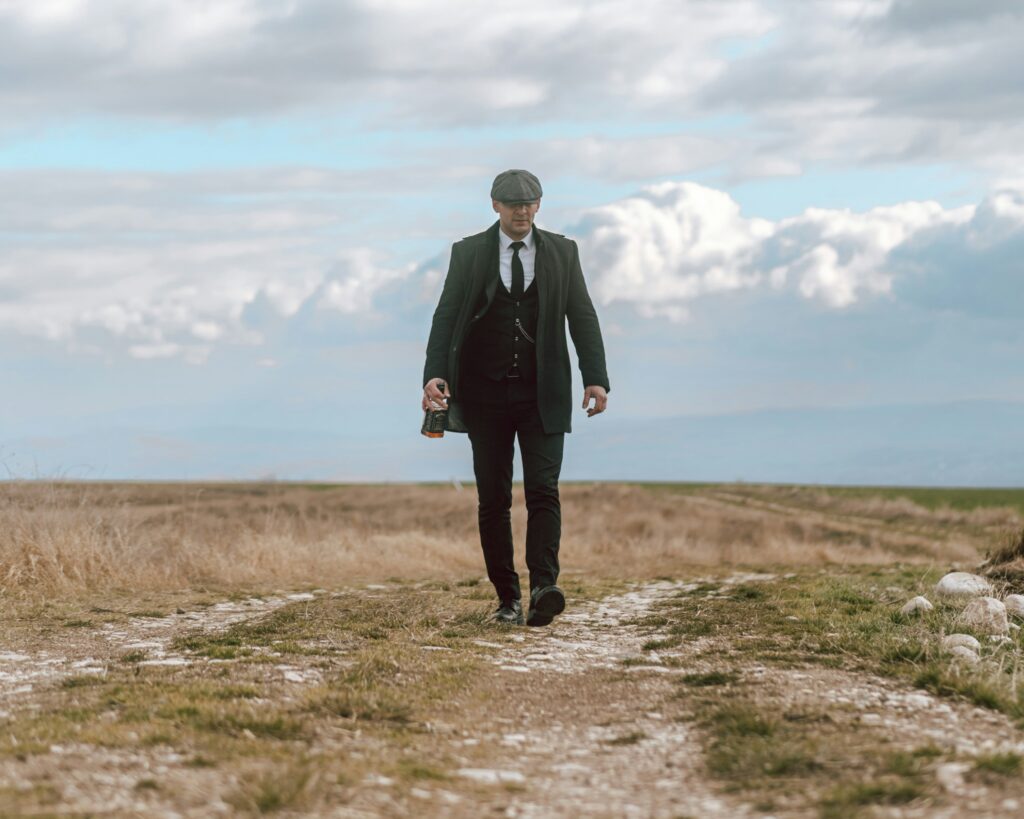

I remember my first week at NITK Surathkal. My bag was too heavy. My map was wrong.
And nobody told me where the canteen closed for lunch.
You’re here because you’re tired of guessing. Tired of scrolling through outdated forums. Tired of asking the same question three times and getting three different answers.
This isn’t some polished brochure.
It’s what I wish someone had handed me on day one. No fluff, no jargon, just real talk about real things: classes, hostels, mess food, ragging (yes, it’s banned, but yes, it still happens), WiFi passwords, and how to actually find Professor Sharma’s office.
We built Nitkaguides from scratch (after) failing, fumbling, and figuring it out the hard way. Not as seniors giving advice. As peers who just survived the same chaos you’re in right now.
What’s inside? How to register without crashing the portal. Which professors actually grade fairly.
Where to nap between lectures (hint: not the library). And how to tell if that group chat is helpful or just noise.
You won’t get everything. But you’ll get what matters. And you’ll start your NITK life knowing exactly where to look next.
First Day at NITK? Breathe. Here’s What Actually Happens
I showed up with a photocopy of my birth certificate and no idea where the registrar’s office was. (Turns out it’s right next to the main gate.)
You need your admit card, class 10 and 12 mark sheets, migration certificate, caste or income certificate if applicable, and six passport photos. Go to the Academic Block (Room) 101 (between) 9 am and 3 pm on day one.
Hostel rooms come assigned by branch and gender. You get a bed, cupboard, and table. Bring bedding, a bucket, mug, soap, towel, flip-flops, and a lock.
No AC in most hostels. (Yes, even in summer.)
The library is behind the academic block. The mess is near the football field. Your hostel is probably near the cricket ground.
Walk it twice on day one. You’ll get lost anyway.
Talk to seniors before you panic about syllabus or lab timings. Ask them where the canteen hides its decent coffee. They know which professor actually grades fairly.
Dean Academics handles course changes and backlogs. Student Welfare sorts hostel issues and medical help. Both offices are on the first floor of the Admin Block.
Nitkaguides has maps and contact numbers. I used it three times before lunch on day one.
You won’t remember all of this. That’s fine. Just show up early.
How NITK’s Academic System Actually Works
I hated figuring this out the hard way. Semesters are blocks. Two per year (and) each course carries credits.
Those credits add up to your degree. Not magic. Just math.
Grades? They’re letters with numbers behind them. A, B, C.
Not effort points. Your GPA is what sticks on transcripts. It matters for internships.
It matters for scholarships. You think you’ll remember that during midterms? You won’t.
Go to lectures. Not all of them (but) enough to know what’s coming. Skipping feels smart until the exam hits and you’re staring at a formula you’ve never seen.
(Yes, even in engineering.)
Talk to your faculty advisor. Not just once. when you’re failing. Ask before you drop a course.
Ask before you overload. They’re people. Not gatekeepers.
The library isn’t just books. It’s quiet space. It’s free printing.
It’s Wi-Fi that works. Study rooms book up fast (reserve) early. Online platforms like Moodle dump syllabi, deadlines, and past papers.
Use them.
Nitkaguides helped me spot deadlines I missed last semester. No fluff. Just dates and links.
You’ll forget half of this by next week. That’s fine. Just remember: show up, ask questions, and don’t wait until panic sets in.
Hostel Life Isn’t Just a Place to Crash
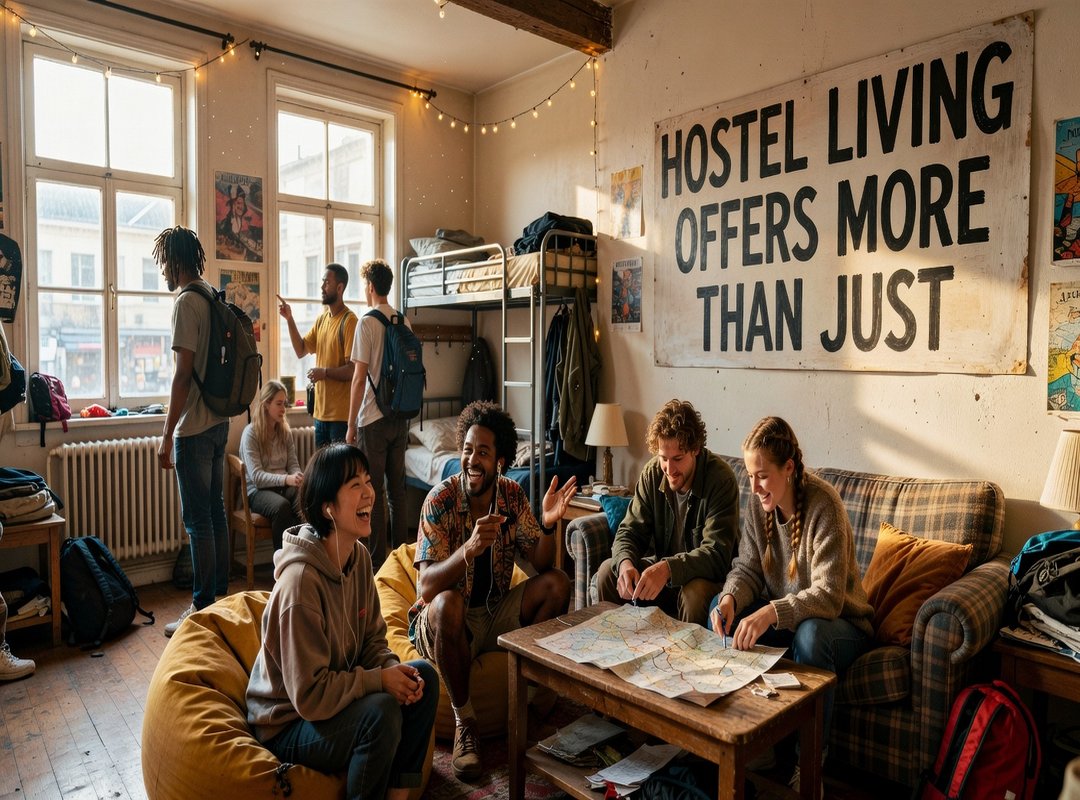
I lived in Hostel 4 for two years. Single rooms. Shared bathrooms.
No AC. Just fans and open windows (and yes, monsoon leaks).
Common areas? A TV lounge with couches that sagged, a study room with flickering lights, and a rooftop where people smoked and argued about exams.
Rules were simple: no guests after 10 PM, no cooking in rooms, and quiet hours after midnight. (They enforced the quiet hours. Loud music got you knocked on the door.)
The mess served three meals. Breakfast was idli-dosa or poha. Lunch and dinner rotated between rice, dal, curry, and occasional biryani.
Timings were strict. Miss lunch at 1:30 PM? You waited for snacks at 4.
Feedback went into a dusty suggestion box near the entrance. Nobody checked it daily (but) if ten people wrote the same thing, it changed.
I walked to the health center twice. Once for fever, once for stitches. It’s basic but fast.
Sports facilities? Football field, basketball court, and a gym with rusting weights. Use them or don’t.
Nobody tracks attendance.
Laundry was self-service coin machines. Shops sold instant noodles, stationery, and phone chargers.
Balancing academics and life? I studied mornings, napped after lunch, hit the field at 5, ate with friends, and slept early. You figure it out (or) you don’t.
Nitkaguides helped me find the mess menu schedule my first week.
Clubs, Festivals, and Real Friendships
I joined the robotics club my first week at NITK. I knew nothing about microcontrollers. They handed me a soldering iron and said “figure it out.”
Clubs are everywhere. Technical. Cultural.
Sports. Even quizzing and photography. You walk into a room, talk to two people, and you’re in.
Joining isn’t formal. No applications. No interviews.
Just show up. Stay for three meetings. You’ll be invited to the group chat.
I went to Incident my second semester. It’s loud. It’s messy.
It’s students building weird machines that barely work (and) somehow win. Engineer is quieter but sharper. Debates, case studies, late-night whiteboard sessions.
Making friends? Stop waiting for “the right person.”
Ask someone next to you in canteen what they’re coding. Complain about the WiFi together.
That’s how it starts.
Volunteering happens in gaps. Teaching kids in nearby villages. Cleaning the beach near Surathkal.
Organizing blood drives. It’s not about resumes. It’s about showing up when no one’s watching.
Need gift ideas for your mom? Check out A gift guide to treat your mom nitkaguides.
Social life here isn’t built on parties. It’s built on shared frustration over lab reports. On borrowing notes.
On fixing each other’s bikes. That’s how you remember NITK (not) the grades. The people.
Your First Real Step Starts Now
I remember walking onto campus and not knowing where to go for lunch. Or how to find my lab. Or who to ask when the syllabus made zero sense.
You feel that too.
Right now.
This isn’t theory.
It’s what works (because) I’ve done it, watched others do it, and fixed what didn’t.
Nitkaguides is your shortcut past the confusion. No fluff. No gatekeeping.
Just clear steps. Academic, social, daily life. Built from real NITK days.
You don’t need more motivation. You need direction that matches your actual schedule. Your actual doubts.
Your actual messiness.
So stop waiting for “the right time.”
Open Nitkaguides.
Pick one thing. Just one (and) do it before Friday.
That’s how you stop feeling lost.
That’s how you start belonging.
Go open it now.
You already know which section you need first.

 Ask Michael F. how they got into fashion events and runway highlights and you'll probably get a longer answer than you expected. The short version: Michael started doing it, got genuinely hooked, and at some point realized they had accumulated enough hard-won knowledge that it would be a waste not to share it. So they started writing.
What makes Michael worth reading is that they skips the obvious stuff. Nobody needs another surface-level take on Fashion Events and Runway Highlights, Wardrobe Essentials, Style Tips and Advice. What readers actually want is the nuance — the part that only becomes clear after you've made a few mistakes and figured out why. That's the territory Michael operates in. The writing is direct, occasionally blunt, and always built around what's actually true rather than what sounds good in an article. They has little patience for filler, which means they's pieces tend to be denser with real information than the average post on the same subject.
Michael doesn't write to impress anyone. They writes because they has things to say that they genuinely thinks people should hear. That motivation — basic as it sounds — produces something noticeably different from content written for clicks or word count. Readers pick up on it. The comments on Michael's work tend to reflect that.
Ask Michael F. how they got into fashion events and runway highlights and you'll probably get a longer answer than you expected. The short version: Michael started doing it, got genuinely hooked, and at some point realized they had accumulated enough hard-won knowledge that it would be a waste not to share it. So they started writing.
What makes Michael worth reading is that they skips the obvious stuff. Nobody needs another surface-level take on Fashion Events and Runway Highlights, Wardrobe Essentials, Style Tips and Advice. What readers actually want is the nuance — the part that only becomes clear after you've made a few mistakes and figured out why. That's the territory Michael operates in. The writing is direct, occasionally blunt, and always built around what's actually true rather than what sounds good in an article. They has little patience for filler, which means they's pieces tend to be denser with real information than the average post on the same subject.
Michael doesn't write to impress anyone. They writes because they has things to say that they genuinely thinks people should hear. That motivation — basic as it sounds — produces something noticeably different from content written for clicks or word count. Readers pick up on it. The comments on Michael's work tend to reflect that.