Why 2026 Is the Year to Streamline
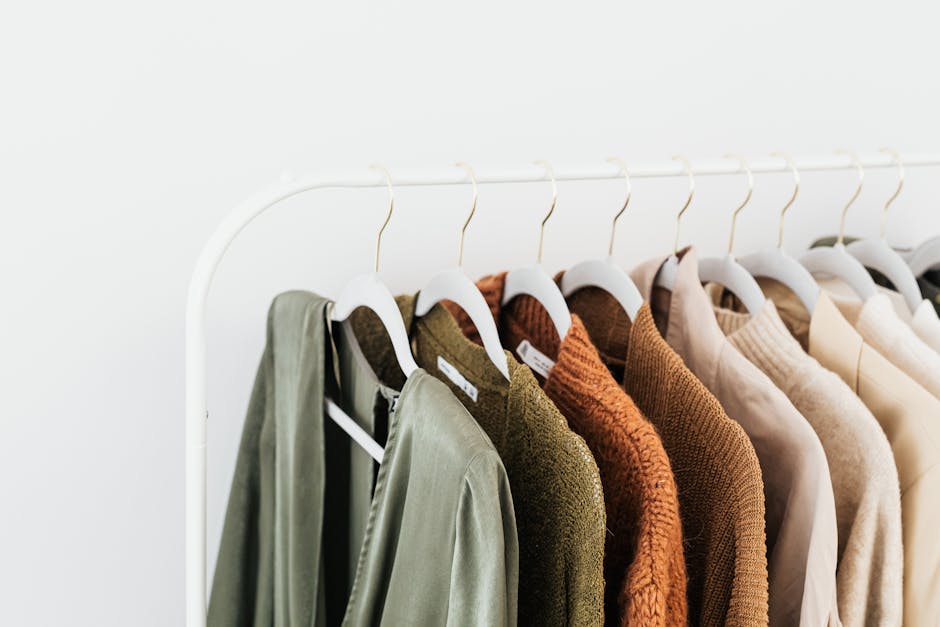
Minimalism isn’t about sacrificing style it’s about getting smart with it. In 2026, capsule wardrobes aren’t just trendy, they’re functional. Fewer items, better pieces, and more flexibility. You skip the morning decision fatigue and still look put together.
Sustainability is shifting the way people shop, too. Fast fashion is getting harder to justify, both ethically and environmentally. Consumers are leaning into quality over quantity, and brands that ignore this change are already feeling the pressure.
A tight wardrobe doesn’t mean boring. In fact, it builds creativity. With less clutter, mixing and matching becomes simpler and sharper. A good base of essentials unlocks dozens of outfits. Minimalism, now more than ever, is about making space for better style, better choices, and less waste.
Core Principles of a Capsule Wardrobe
If you’re building a capsule wardrobe in 2026, start here: less is more, but it has to be better. Quality over quantity isn’t just a motto it’s the filter you run every item through. One great fitting blazer beats three flimsy ones every time. You want pieces that hold up, wear well, and feel like you.
Next, rethink color. A neutral base think black, white, gray, navy, beige lets you mix, match, and repeat without looking like you’re stuck in a loop. But this doesn’t mean dull. A single bold sweater, a bright bag, or even colored sneakers can bring everything else to life. Pops of personality count more when your base is clean.
Finally, every piece needs to earn its spot by doing double duty. Can you layer it? Wear it day and night? Travel with it without ironing? Your wardrobe should flex with your routine, not fight it. Think in building blocks each item has to connect. When it works, you’ll see how less really does give you more.
The 10 Must Have Essentials
These are the pieces that hold the whole thing together. Not trend bait. Not impulse buys. Just dependable, good looking staples you can build a week (or a season) around without breaking a sweat.
A tailored blazer that works for work and weekends: Structured enough for meetings, chill enough for brunch. Look for a cut that flatters without overdoing it neutral tones stretch your outfit options.
Classic white button down: Crisp, clean, and never fussy. Button it up for sharpness, tie it at the waist for something looser. It downplays a loud piece and adds polish fast.
High rise jeans in a straight leg fit: The silhouette that refuses to quit. Not too skinny, not too baggy. High rise earns its spot by pairing well with knits, cropped tops, or tucked blouses.
A versatile midi dress: One and done. Throw on boots and a jacket in fall, sandals and a crossbody in summer. A print or bold color gives it edge, but black keeps it eternal.
Relaxed fit trousers (yes, comfort is still in): Dressed up enough for the office, soft enough to not hate by 5 p.m. Wide leg or tapered just keep the fit intentional.
Timeless knitwear for layering: Crewnecks, cardigans, or ribbed turtlenecks whichever suits your style. Stick to quality natural fibers and seasonless colors.
Low profile sneakers in leather or canvas: Clean lines, no loud logos. Goes with trousers, dresses, denim. White is classic, but beige or black escalates polish.
Ankle boots with a slight heel: Good for rain, good for confidence. A 1 2 inch block heel adds height without slowing you down. Opt for smooth leather or a subtle suede.
Functional, stylish outerwear: Trenches, utility jackets, or classic long coats. You want something warm but not bulky, sharp but walkable. Think layers, not puff.
A well structured everyday bag: The right bag pulls it all together. Crossbody or tote, it should stash the essentials without cramping your style or your shoulder.
For more detail, check the full breakdown: 10 Timeless Pieces Every Closet Should Have
Seasonal Swaps and Style Add Ins
Seasons change and so should your capsule wardrobe. While the foundation stays the same, updating a few select pieces keeps your style fresh and comfortable year round.
Spring/Summer Staples
As temperatures rise, it’s time to lighten the fabrics and keep things breathable.
Lightweight knits: Perfect for breezy mornings or air conditioned spaces. Opt for cotton or fine merino.
Linen pieces: Naturally cooling and effortlessly stylish, linen shirts, trousers, and dresses are spring/summer essentials.
Layering tanks and tees: Ideal for building outfits around staple bottoms or under light jackets.
Fall/Winter Foundations
Cooler months call for warmth and texture, without sacrificing versatility.
Chunky knits: Great for cozy layers over dresses or trousers. Stick to neutral tones for maximum pairability.
Wool coats: A timeless wool overcoat or tailored trench elevates your outerwear game with both function and form.
Base layers: Thermal tops or leggings help extend the wear of lighter pieces into colder months.
Statement Accessories With Intention
Accessories are where your personality shines through, but in a capsule wardrobe, less is more.
Choose impact over quantity: One quality statement piece (like a bold scarf or structured belt) can refresh multiple outfits.
Keep scale in check: Opt for accessories that complement rather than overpower a minimal outfit.
Rotate seasonally: A wool beret in winter, a woven tote in summer small touches with big style payoffs.
Smart Wardrobe Planning Tips
Creating a capsule wardrobe that truly works for your lifestyle takes more than just choosing stylish items it requires an intentional approach to wearing and maintaining your collection. Here’s how to stay focused and flexible:
The 3 Month Rule
If you haven’t worn it in three months, it’s time to reevaluate:
Ask yourself why: Is it a fit issue? Seasonal? Just not your style?
Consider donating or selling items that don’t serve a purpose
Use this as a recurring check in to keep your wardrobe fresh and relevant
Consistency is the key not perfection. Keeping tabs on what you’re actually wearing leads to smarter wardrobe decisions.
Build Around Key Pieces
Rather than chasing trends, organize your wardrobe around foundation items you actually love to wear:
Start with your go to favorites: these often reveal your true style
Create at least 3 outfit combinations for each key piece
Use layering to creatively extend your outfit variations
This approach not only improves your daily outfit planning it keeps shopping intentional.
Fit Over Fashion
Yes, fashion is fun but fit has the final say:
Prioritize tailoring and comfort over designer labels
Focus on silhouettes that flatter your body and suit your lifestyle
A well fitting, neutral shirt will outperform a trendy piece that never leaves the hanger
Building a wardrobe that serves you starts with choosing items you can move in, feel good in, and want to wear again and again.
Final Checklist Recap
Keep it tight: 30 40 pieces total. That’s your ceiling including shoes and outerwear. This isn’t about cramming a runway’s worth of outfits into one closet. It’s about reducing decision fatigue without sacrificing style.
Focus on dual purpose items. A jacket that works at the office and over a weekend tee. A shoe that straddles day and night. The more mileage a piece gives you, the more room you have to move literally and stylistically. You’re not just saving money. You’re cutting down on clutter and reclaiming headspace.
Remember, style doesn’t live in excess. It lives in clarity. When your closet’s full of intention instead of impulse buys, getting dressed becomes simpler, faster, better. That’s the capsule mindset and 2026 is the right time to own it.