
What Made Milan Stand Out in 2026
A Unique Vibe on the Streets
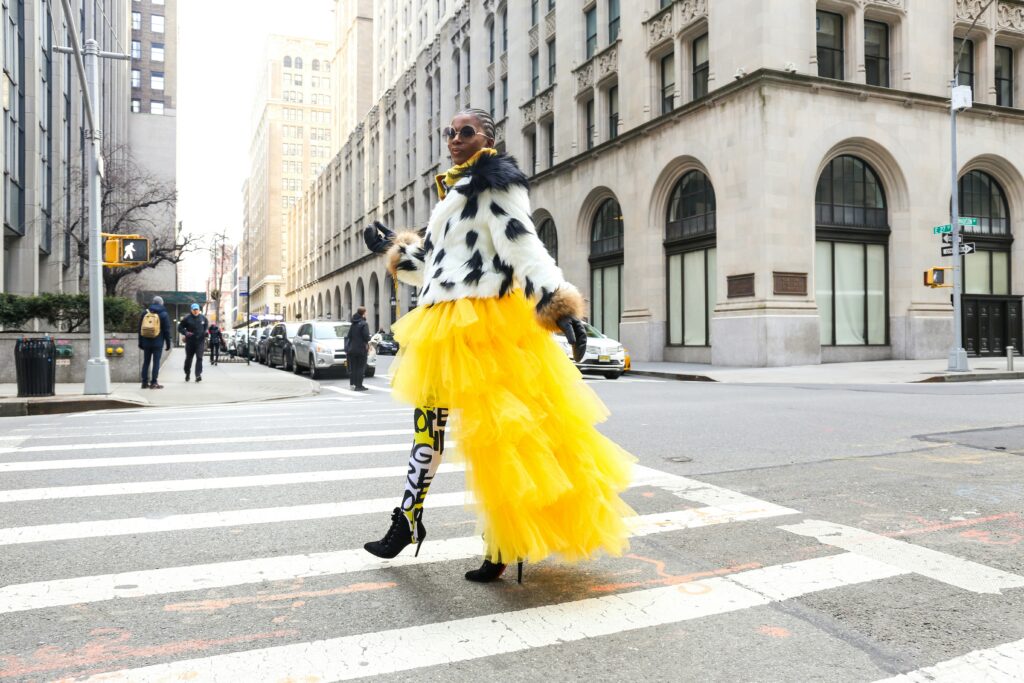
Milan’s street style scene in 2026 wasn’t just about high fashion it was an experience. This season, the energy felt more experimental, more intentional, and deeply personal. The usual blend of casual luxury was boldly redefined through sharp silhouettes, playful layering, and styling that made statements without shouting.
Key elements of Milan’s 2026 aesthetic:
A return to tactile fabrics like raw silk and crushed velvet
A color palette that blended neutrals with pops of disruptive tones
Functional pieces worn in rebellious, unexpected ways
Culture at the Core
Emerging from a period of economic reset and creative resurgence, Milan’s fashion crowd drew from local culture to define their looks. From political art references to nods to regional history, the clothes on the street told stories.
Cultural moments shaping the scene:
Milanese youth movements embracing anti fast fashion ideals
Public installations and citywide retrospectives influencing print and pattern
A focus on heritage craft, merged with modern styling cues
Milan vs. the World
Among the major fashion capitals in 2026, Milan led with sincerity over spectacle. While New York leaned tech forward, Paris maintained romantic escapism, and Tokyo explored cyber experimentalism, Milan reclaimed its space through grounded elegance and unwavering identity.
Where Milan stood apart:
More street led innovation versus runway mimicry
Greater focus on everyday wearability with a twist
A slower, more thoughtful interpretation of trend
The result? A city that didn’t just follow fashion it reflected life.
Key Style Signatures That Ruled the Streets
Luxe Minimalism with a Textural Twist
One of the leading visual themes from Milan’s streets this season was luxe minimalism with a tactile upgrade. The clean lines and refined palettes you’d expect were still there but with thoughtful additions that kept the looks visually rich.
Cashmere coats paired with mesh underlayers
Silk trousers worn with chunky knits or matte leathers
Muted tones brought to life through texture layering, not print
This approach revealed a shift toward quiet luxury without sacrificing depth. It was minimalism that whispered with complexity.
Gender Fluid Tailoring Takes the Spotlight
The boundary pushing nature of gender fluid fashion was evident in the suiting, layering, and cuts that filled Milan’s sidewalks. Influenced by both utility and romanticism, tailoring has moved well past tradition.
Oversized blazers worn off shoulder or cinched high at the waist
Longline button downs styled as dresses, or underneath cropped moto jackets
Playful juxtaposition of structured silhouettes and silky fabrics
Cis and non cis fashion advocates alike experimented with proportion and fluidity, showing how formality is evolving with identity.
The Rise of Sneaker Couture Hybrids
Perhaps the most striking fusion was the growing instance of high fashion meeting streetwear through footwear.
Statement sneakers styled with full length maxi skirts or tailored trousers
Technical trainers paired with crystal embellished evening looks
Custom one off sneakers featured in coordinated monochrome outfits
This hybrid look felt less like a rebellion and more like a natural evolution of runway and everyday wear finally meeting in the middle. It’s proof that in 2026, comfort doesn’t cancel luxury it elevates it.
Influencers and Emerging Voices You Should Know

The biggest names weren’t the ones turning heads this season in Milan it was the ones you haven’t heard of yet. A new wave of under the radar creatives transformed sidewalks into performance spaces, piecing together looks that told stories without shouting. No big budget styling teams. No glossy PR campaigns. Just sharp instincts, secondhand finds, and the nerve to wear whatever felt right.
Micro influencers rolled into the scene with zero filter charm and serious range. Many of them don’t even identify as influencers they’re photographers, students, part time stylists but their presence cracked the algorithm. Audiences are tired of the overproduced; they want the real, the messy, the outfit that makes you do a double take because it works when it shouldn’t.
And then there’s Gen Z more specifically, Gen Z with nothing to prove. They didn’t just show up; they made space. Their style? Overflowing with raw energy. Think denim skirts on top of cargo pants, metal hardware on vintage tailoring, and DIY pieces stitched the night before. It wasn’t about flaunting labels. It was about saying: this is me, take it or leave it. That kind of energy doesn’t just influence it moves culture.
The Crossover of Street and Virtual Style
Outside the shows in Milan, the sidewalk looked more like a stylized glitch in the matrix than your average fashion week crowd. Attendees walked the line between physical and digital, layering traditional fabrics with holographic projections, smart textiles, and screens integrated into garments. This wasn’t just novelty it was a nod to how online style cues are bleeding straight into our closets.
Some came draped in streetwear coded with AR markers that activated visual effects through a phone lens: flames, sparkles, entire landscapes overlaying their jackets. Others leaned into wearable tech more functionally, with display patches cycling through Instagram handles, environmental stats, or live comments. And still, those mixing graphic filters from their virtual avatars with IRL silhouettes offered a strange coherence a digital mythology made wearable.
Fashion isn’t just responding to our digital lives anymore it’s incorporating them. If anything, Milan’s sidewalks proved what The Rise of Digital Runways hinted at: you don’t need a screen to wear something virtual.
Brick and pixel are now cut from the same cloth.
What These Street Moments Say About Fashion in 2026
Fashion as Identity, Not Just Labels
In 2026, the sidewalks of Milan told a story that wasn’t centered on logos or luxury exclusivity. Instead, fashion became a raw form of personal expression. While designer names still graced some outfits, they took a backseat to individuality.
Outfits prioritized meaning and mood over market value
Personal narratives cultural, political, or emotional influenced styling
Labels were used selectively, often as tools to elevate self expression rather than define it
The End of the Trend Cycle as We Knew It
What stood out most this season? There was no single dominating trend. Instead, diversity ruled.
Classic silhouettes were remixed with unorthodox materials
Vintage and archival pieces resurfaced, not as retro throwbacks, but as active parts of today’s style
Fashion weeks no longer dictated direction people did
This shift signals a breakdown of top down influence. Instead of waiting for runway approval, individuals curated looks that reflected personal taste, local culture, or online inspiration.
Street Style as a Cultural Archive
The camera lens on Milan’s sidewalks captured more than clothes it preserved a cultural moment. Street style evolved into something closer to documentary storytelling than fashion photography.
Outfits reflected geopolitical shifts, technological integration, and shifting notions of identity
Fashion became a democratic space, powered by emotion, politics, and experimentation
Street style now stands as one of the most genuine reflections of the global mood
In short, fashion in 2026 is deeply personal, increasingly decentralized, and refreshingly unfiltered. Milan’s street scene didn’t just showcase what people wore it revealed why they wore it.
Where Things Go From Here
Milan’s streets this year weren’t just stylish they were a sign of what’s coming. The next wave of street style is going more local, more personal. Think neighborhood aesthetics over global trends. We’re talking hyper regional cues: Sicilian workwear blends, Milanese vintage with a twist, and Northern Italian tech fabrics adapted for everyday life. There’s a sense that the future of fashion is rooted in knowing where you’re from and wearing it like a badge.
This shift is also fueling sustainable storytelling. Small, conscious labels are using street style as their launchpad. No runways, no PR machinery just real people wearing real clothes in real contexts. It gives viewers a way in. It gives designers a way out from traditional systems and into direct community building.
Street style isn’t just about chasing virality anymore. It’s becoming a platform for ideas that outlast a season. Whether it’s through upcycled denim on a student stylist or a handwoven coat from a local designer, the message is clear: the sidewalk spotlight doesn’t need a catwalk to shine.