
Why Fashion Went Digital and Stayed There
When fashion weeks screeched to a halt in 2020, the industry scrambled to adapt. The digital pivot was born out of necessity just a way to survive the lockdown era. Fast forward to 2026, and what started as a workaround is now woven into the core of fashion’s global expression.
Digital runways are not only sticking around they’re leading the charge. Luxury houses and indie labels alike have realized the power of online shows: lower overhead, limitless reach, and the ability to connect with audiences far beyond the front row. A designer presentation viewed in Lagos, Paris, and Seoul at the same time? That’s not a gimmick it’s the new baseline.
These virtual shows have evolved into full fledged brand statements. No longer plan B, they’re crafted with purpose. Designers are building entire campaigns around them story driven, tech enhanced, and built for rewatch and share. If you’re not staging digitally in some form, you’re missing the global conversation.
Creative Freedom Without Physical Limits
When gravity doesn’t apply, creativity gets weird in a good way. In the digital realm, designers aren’t just replicating runway looks for screens. They’re building collections from the ground up with digital first intentions. That means physics defying fabrics, color palettes that glow unnaturally, and silhouettes that couldn’t exist in the real world. It’s not a gimmick; it’s a new kind of textile logic, built of pixels instead of threads.
Fashion houses are partnering with 3D designers, animators, and even AI generated avatars to bring these visions to life. Models don’t need to have a pulse or walk at all. In digital shows, avatars float, multiply, glitch, or shapeshift mid stride. The “walk” has become a visual story as much as a product showcase.
And that’s the point. Everything is cinematic now. The line between a traditional runway and an experimental short film is paper thin. With no physical venue to lock them in, creatives are rewriting the rules of set design, using digital tools to transport viewers into deserts, outer space, or dream like cityscapes. In short: they’ve stopped dressing for the room, and started creating for the moment.
The New Metrics of Success
Fashion shows aren’t measured by front row applause anymore. In the digital arena, the sound that matters is the click. Click through rates, social shares, and scroll stopping visuals now shape what’s deemed successful. Engagement isn’t just a bonus it’s the whole ballgame. Every like, comment, and link tap is a signal, and brands are listening carefully.
“See now, buy now” is more than a flashy line. It’s a real time bridge from the runway to the register. Someone watches a piece float down a virtual catwalk and buys it before the next model appears. That’s not hypothetical it’s happening. Vloggers, influencers, and digital hosts guide viewers from moment to moment, building both momentum and revenue in one go.
And while eyes are on the clothes, brands are watching the data. Each show delivers a flood of insights: who logged in, what they watched, where they paused, what they clicked. From audience geography to product interest heatmaps, it’s all recorded. Behind the glamour, fashion has become a numbers game with the winners being those who know how to play it smart.
Blurring the Border Between Screen and Street

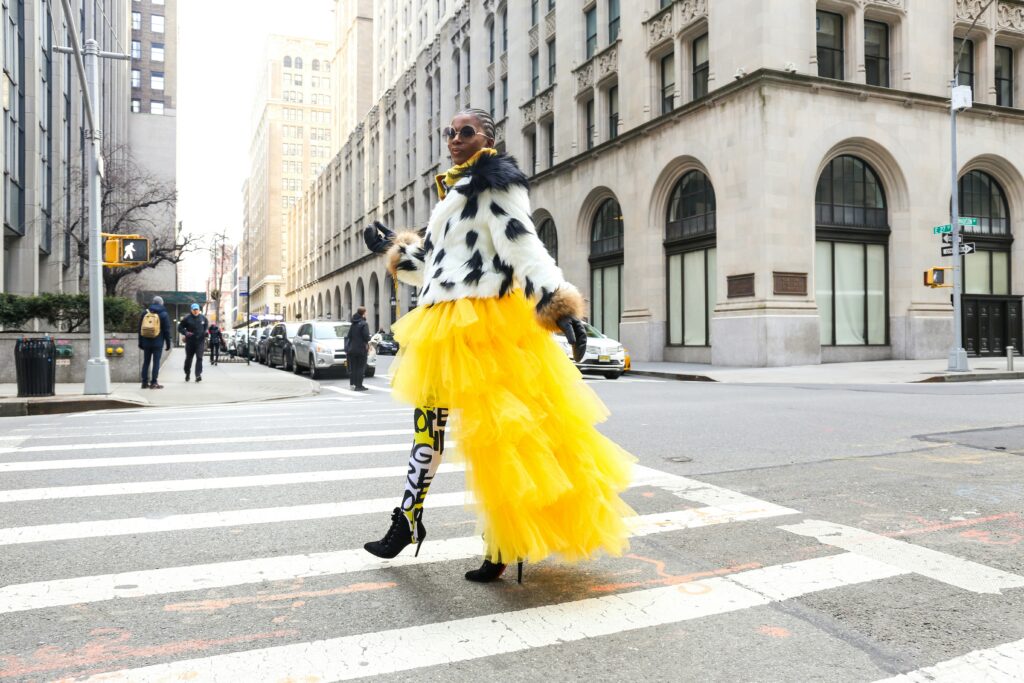
Fashion isn’t waiting for you to visit a store or scroll through a catalog it’s showing up on your phone, on your face, and in your feed. AR try ons let anyone preview outfits in real time, straight from their camera app. Meta fashion clothes meant purely for digital spaces is booming, giving influencers, gamers, and everyday users new ways to make statements that don’t exist physically. Interactive invites are also reshaping access, ditching front row hierarchy for DMs and digital tokens.
At the same time, high street brands are copying runway looks within days, releasing them as digital assets or quick drop pre orders. It’s fast fashion, but smarter and more sustainable. You don’t need warehouses when your designs are pixels.
And the show itself? No plane tickets or dress codes required. Viewers can slip into a VR headset or load an AR filter and suddenly they’re surrounded by digital fabric, floating models, and soundscapes tuned to scroll culture. What used to be exclusive is not just inclusive it’s interactive. Fashion has gone from invitation only to open access, screen by screen.
Virtual, but Still Personal
Digital shows might be beamed through screens, but they’re starting to feel a lot closer than front row seats ever did. Designers now slide into DMs with exclusive invites. Live streams light up with real time chats as models walk. And fans aren’t just watching they’re texting questions, voting on looks, and sometimes getting a shoutout mid show.
The formality of fashion weeks is giving way to something more human. Behind the scenes clips come straight from a stylist’s phone. Models post their prep routines. Audiences across continents chime in on chats with creators and brands in the moment. It’s not just broadcast it’s dialogue.
This level of access was impossible in the traditional format. You either had a ticket or you didn’t. Now, a high school student in Lagos can talk shop with a designer in Milan live. The intimacy isn’t in the room anymore. It’s in the feed.
Reinventing the Icons
The split between digital and physical in fashion used to feel like a compromise. Now it’s a blueprint. Labels featured at New York Fashion Week FW24 aren’t just dabbling in digital they’re mastering the blend. The hybrid show is becoming the go to format: part cinematic experience, part live event, with digital storytelling driving virality and global reach.
Legacy names and rising stars alike are launching collections that live in two worlds. Models walk traditional runways while their AR avatars do the same on screen. Physical installations are intercut with high concept digital sequences think animation, mood driven CGI, and interactive audience layers. The fashion moment no longer ends when the lights go down it lives on, loops on, and gets reshared into relevance.
In fact, many of the most memorable runway moments lately haven’t happened in a room full of editors they started as reels, livestreams, or immersive web experiences. Icon status isn’t just about craftsmanship or heritage anymore. It’s about who can craft the most gripping multi platform narrative and make people care, no matter where they’re watching from.
What This Means for the Future
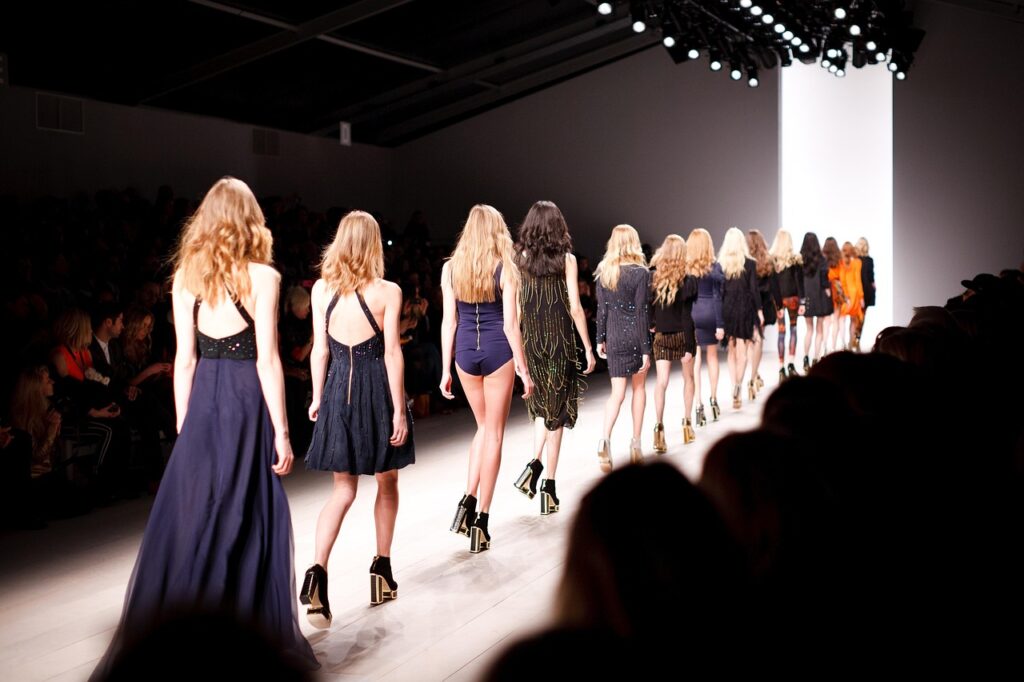
Fashion has shed its old skin. The runway isn’t a stretch of polished flooring lined with editors and flashbulbs anymore it’s a screen. Several screens, actually. From live streamed lookbooks to VR only fashion weeks, the entire industry is turning into a digital first experience that doesn’t just tolerate virtual flair it demands it.
This isn’t just tech for tech’s sake. Digital runways open doors for designers and audiences shut out by geography, budget, or tradition. No invites, no gatekeepers, no cities you have to fly into. Just access. With this shift comes a stronger focus on diversity, environmental efficiency, and storytelling that doesn’t rely on physical fabric alone. Outfits are becoming languages. Shows are worlds you enter, not venues you visit.
Going forward, we’ll see fashion break loose from seasonal calendars and static formats. Drops can happen anytime, anywhere. Interactive elements let viewers shape the moment. And wherever a screen lives a phone, a headset, a billboard fashion can live there too. The rules got rewritten. The future doesn’t walk it uploads.