Breaking the Mold
Fashion loves to market itself as progressive. But when you zoom in on who actually designs the clothes, much of the industry still looks and thinks the same way it did decades ago. The creative seats at big design houses, the gatekeeping roles at fashion media, and the decision makers behind brand campaigns have been painfully slow in reflecting true diversity especially when it comes to Black designers.
Despite clear influence from Black culture in mainstream fashion from streetwear to haute couture the acknowledgment and credit haven’t matched the impact. Barriers to entry remain thick, and even when Black designers break through, they’re often expected to conform to aesthetic lanes defined by others. That pigeonholing strips design of its voice and its power.
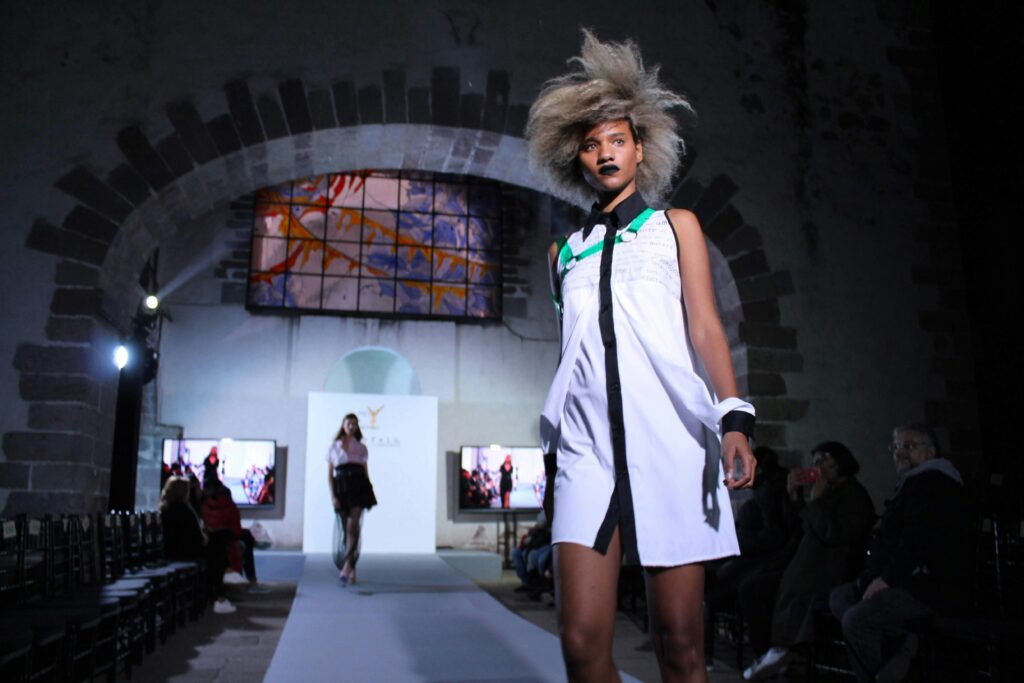
Now, that script is changing. A new wave of Black designers isn’t waiting for invites or permission. They’re building their own brands, creating spaces that reflect their full selves, and telling stories that were never on the runway before. For these designers, visibility isn’t just about being seen it’s about owning the lens and changing what’s considered beautiful, aspirational, or valuable.
Their work goes beyond clothing. It rewrites expectations, resets norms, and forces fashion to look inward. The revolution is already here it just isn’t always televised, yet.
Leading with Innovation
There’s nothing cookie cutter about the way today’s Black designers move. They aren’t just blending aesthetics they’re rebuilding frameworks. At the core is a design philosophy rooted in specificity. Personal history, regional influence, political commentary it all finds form in the cut, fabric, and stitching. These aren’t outfits built to chase trends. They’re designed to tell stories.
For many of these creators, fashion is a living archive. A jacket becomes a nod to West African tailoring. A sneaker drop reflects the pulse of South L.A. Streetwear means something different when born from lived experience rather than market demand. That’s where these designers are pushing things not by mimicking high fashion or sportswear, but by creating their own lane entirely.
The result? A redefinition of luxury that prioritizes message over margin. A reshaping of streetwear that trades hype for cultural weight. These voices aren’t operating on the sidelines they’re rewriting what center stage even looks like. Innovation here doesn’t shout. It cuts sharp and speaks loud through presence, perspective, and precision.
From Margins to Mainstage

Black designers haven’t just broken through the industry’s front doors they’ve rebuilt the entire entrance. Their path hasn’t been paved with silver invites. Many had to create their own institutions, pitch without connection, and prove their work in spaces that weren’t built to see them. The creative challenges were only half the story; systemic gatekeeping made simple opportunities heavier lifts.
But that’s changing fast. You’re seeing more independent brands getting real traction at major fashion weeks. Collaborations with legacy houses aren’t just token gestures anymore; they’re rooted in mutual vision, built from the ground up. These aren’t isolated wins they’re part of a longer play charted by designers who understood early on that control matters more than clout.
Mentorship has been key. Collective platforms, pop ups, and digital spaces are cutting through the noise and rebalancing the power. Younger designers are stepping in with the confidence of those who’ve seen what groundwork looks like. Momentum isn’t just forward it’s lateral, linking creators across disciplines, cities, and generations. In this version of the industry, community is the currency.
Changing the Business, Not Just the Look
It’s no longer just about the garment it’s about the groundwork. Black designers today aren’t chasing trends; they’re building systems. Brands are being formed around clear values: ethics over ego, community over virality, and equity over exclusivity. It’s not performative. It’s personal.
You see it in how they source materials from suppliers who honor labor rights and sustainability. You hear it in their interviews, where heritage and lived experience shape business decisions. And you feel it in the way many of them reinvest into the next generation, guiding young talent and opening up the playbook.
This isn’t about “conscious consumerism” as a marketing pitch. It’s a quiet, deliberate correction. Designers are weaving legacy into their process, creating labels that don’t just make noise they make room. Room for stories long left out. Room for ownership that’s shared. And room for new industry norms that don’t exploit, erase, or imitate.
In pushing fashion forward, they’re not just changing the face of style. They’re changing who gets to define it.
Related Reads
Diversity in fashion isn’t just a checklist it’s a paradigm shift. Over the past decade, louder calls for inclusion have turned into visible action. Designers from a range of racial, cultural, and gender identities are gaining space not just on runways, but in boardrooms. That visibility matters. It shapes what gets made, who gets to wear it, and whose stories are told through the seams.
More brands are rethinking their hiring, casting, and campaign narratives. But it’s not just about who’s in the photos it’s about who’s making the decisions behind them. With greater diversity woven into leadership, we’re seeing fashion that speaks to broader lived experiences, from everyday streetwear to aspirational couture.
This shift is already redefining consumer expectations. Shoppers are demanding more than tokenism they want authenticity, provenance, and long haul cultural respect. And the industry’s starting to listen. To uncover more about how this change is unfolding and who’s driving it, explore the full guide on diversity in fashion.

 Frankie Templestains is the kind of writer who genuinely cannot publish something without checking it twice. Maybe three times. They came to fashion trends and updates through years of hands-on work rather than theory, which means the things they writes about — Fashion Trends and Updates, Wardrobe Essentials, Designer Spotlights, among other areas — are things they has actually tested, questioned, and revised opinions on more than once.
That shows in the work. Frankie's pieces tend to go a level deeper than most. Not in a way that becomes unreadable, but in a way that makes you realize you'd been missing something important. They has a habit of finding the detail that everybody else glosses over and making it the center of the story — which sounds simple, but takes a rare combination of curiosity and patience to pull off consistently. The writing never feels rushed. It feels like someone who sat with the subject long enough to actually understand it.
Outside of specific topics, what Frankie cares about most is whether the reader walks away with something useful. Not impressed. Not entertained. Useful. That's a harder bar to clear than it sounds, and they clears it more often than not — which is why readers tend to remember Frankie's articles long after they've forgotten the headline.
Frankie Templestains is the kind of writer who genuinely cannot publish something without checking it twice. Maybe three times. They came to fashion trends and updates through years of hands-on work rather than theory, which means the things they writes about — Fashion Trends and Updates, Wardrobe Essentials, Designer Spotlights, among other areas — are things they has actually tested, questioned, and revised opinions on more than once.
That shows in the work. Frankie's pieces tend to go a level deeper than most. Not in a way that becomes unreadable, but in a way that makes you realize you'd been missing something important. They has a habit of finding the detail that everybody else glosses over and making it the center of the story — which sounds simple, but takes a rare combination of curiosity and patience to pull off consistently. The writing never feels rushed. It feels like someone who sat with the subject long enough to actually understand it.
Outside of specific topics, what Frankie cares about most is whether the reader walks away with something useful. Not impressed. Not entertained. Useful. That's a harder bar to clear than it sounds, and they clears it more often than not — which is why readers tend to remember Frankie's articles long after they've forgotten the headline.