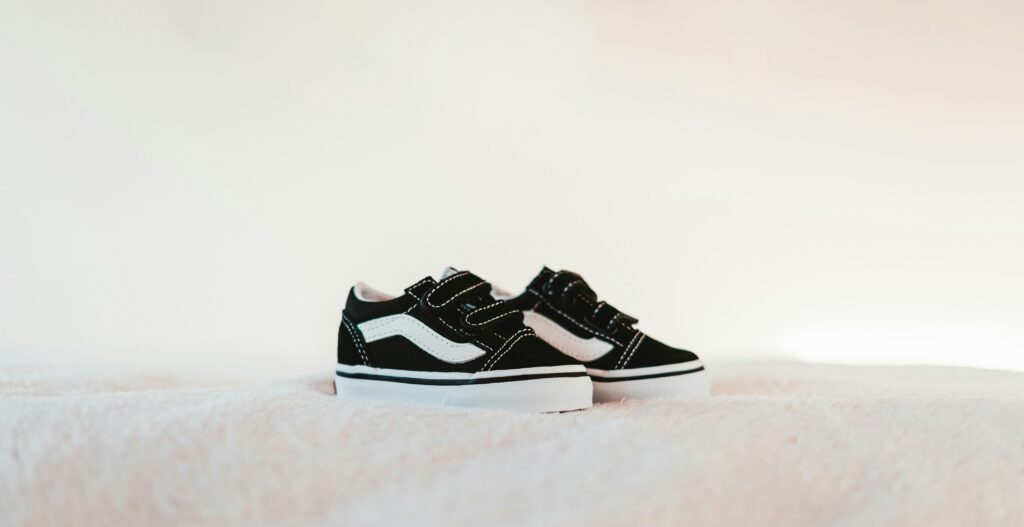
Kids’ sneakers handle school days, playground time, weekend errands, and active family routines. Daily use can wear down the upper, lining, outsole, laces, and insole when care habits stay inconsistent. A simple maintenance routine helps each pair stay cleaner, fresher, and more comfortable for longer use.
A casual pair such as kids Air Force One, for example, needs care that protects both appearance and structure. Parents can extend sneaker life by cleaning dirt early, drying moisture correctly, and checking fit-related wear. This guide covers practical care steps that match everyday kids’ footwear needs.
Remove Dirt Before It Builds Up
Dirt can settle into seams, textured panels, and outsole grooves after outdoor play. Once soil dries on the shoe surface, it becomes harder to remove without extra rubbing. A soft cloth used after heavy wear helps prevent stains from becoming permanent marks.
Gentle cleaning works best for regular sneaker care. Warm water, mild soap, and a soft brush can lift surface dirt without rough scrubbing. Harsh cleaners can weaken materials, fade color, or leave the upper looking dull.
Store Sneakers Properly After Use
Proper storage protects the shape of kids’ sneakers between uses. Shoes left under bags, sports gear, or heavy clothing can crease and lose structure. A clean shelf, cubby, or open shoe rack keeps each pair in a safer position.
Simple Storage Habits That Help
- Place sneakers in a dry, open area after wear.
- Keep each pair upright instead of stacked.
- Loosen the laces before storage to reduce upper tension.
- Keep shoes away from direct sunlight and heat vents.
- Use paper stuffing only when the shoe needs light shape support.
These habits help sneakers hold their form during school weeks and busy weekends. Storage also affects odor because trapped moisture can stay inside closed spaces. A neat storage spot makes it easier for kids to care for their shoes daily.
Keep Moisture Under Control
Moisture is one of the main reasons kids’ sneakers lose freshness early. Sweat, rain, grass, and puddles can affect the lining and insole after repeated use. Shoes need enough airflow before the next wear to stay comfortable inside.
Heat should never be used as a shortcut for drying sneakers. High temperatures can stiffen materials, loosen adhesives, or change the shape of the shoe. Air drying at room temperature gives the sneaker a safer recovery period.
Rotate Pairs During Busy Weeks
Rotation reduces constant pressure on one pair of sneakers. Kids who wear the same shoes every day give the materials less time to dry and recover. A second casual pair can help protect comfort during active school weeks.
Footwear options like kids Air Force One can stay in stronger condition when used as part of a simple rotation. One pair may suit school outfits, while another pair can handle messier play or outdoor activity. This habit helps parents avoid early wear caused by repeated daily stress.
Protect The Shape Of The Soles
The outsole takes direct contact with sidewalks, gym floors, playground surfaces, and outdoor paths. Small stones, mud, and packed dirt can stay trapped in the tread after active use. Removing debris helps the bottom surface stay cleaner and more stable.
Helpful Ways To Preserve Soles
- Check outsole grooves after outdoor activity.
- Remove small stones before they press deeper.
- Wipe mud before it hardens around the edges.
- Avoid bending sneakers tightly inside backpacks.
- Keep casual sneakers away from rough sports surfaces.
Sole care supports the overall life of kids’ sneakers because the bottom controls daily grip and impact. Uneven wear may also show when a child drags one foot or uses shoes for rough activity. Regular checks help parents decide when care, rotation, or replacement makes sense.
Clean Laces And Insoles Separately
Laces collect dirt from hands, floors, and outdoor surfaces throughout the day. Insoles collect sweat and odor because they sit closest to the foot. A clean lace and fresh insole can help the whole sneaker feel better during daily wear.
Laces can be washed gently by hand with mild soap and warm water. Removable insoles should be aired out and cleaned only when the material allows it. Each part should dry completely before it goes back into the shoe.
Pay Attention To Early Signs Of Wear
Small signs of wear can affect comfort before the shoe looks badly damaged. Loose stitching, stretched laces, worn lining, and thin insoles can change how the sneaker feels. A short weekly check helps parents catch these issues early.
Fit also matters when sneaker care is the goal. Shoes that feel too tight can crease harder, rub the heel, and strain the upper. Shoes with too much extra room can slide during movement and wear unevenly inside.
Look For A Store With Quality Kids Sneaker Collections
A good kids sneaker store should offer branded and quality footwear made with durable uppers, supportive soles, and everyday materials that can handle active use. These shoes can last longer when parents clean dirt early, dry moisture properly, rotate pairs, and store them in a safe place. Quality construction and steady care work together to keep kids’ sneakers comfortable, neat, and useful through school days, playtime, and family routines.
Good sneaker care does not require complicated tools or long cleaning sessions. Consistent habits such as wiping dirt, drying shoes properly, rotating pairs, and checking wear can make a clear difference. With steady care, kids’ sneakers can stay cleaner, more supportive, and ready for daily routines.

 Drevian Tornhaven is the kind of writer who genuinely cannot publish something without checking it twice. Maybe three times. They came to style tips and advice through years of hands-on work rather than theory, which means the things they writes about — Style Tips and Advice, Fashion Trends and Updates, Sustainable Fashion Insights, among other areas — are things they has actually tested, questioned, and revised opinions on more than once.
That shows in the work. Drevian's pieces tend to go a level deeper than most. Not in a way that becomes unreadable, but in a way that makes you realize you'd been missing something important. They has a habit of finding the detail that everybody else glosses over and making it the center of the story — which sounds simple, but takes a rare combination of curiosity and patience to pull off consistently. The writing never feels rushed. It feels like someone who sat with the subject long enough to actually understand it.
Outside of specific topics, what Drevian cares about most is whether the reader walks away with something useful. Not impressed. Not entertained. Useful. That's a harder bar to clear than it sounds, and they clears it more often than not — which is why readers tend to remember Drevian's articles long after they've forgotten the headline.
Drevian Tornhaven is the kind of writer who genuinely cannot publish something without checking it twice. Maybe three times. They came to style tips and advice through years of hands-on work rather than theory, which means the things they writes about — Style Tips and Advice, Fashion Trends and Updates, Sustainable Fashion Insights, among other areas — are things they has actually tested, questioned, and revised opinions on more than once.
That shows in the work. Drevian's pieces tend to go a level deeper than most. Not in a way that becomes unreadable, but in a way that makes you realize you'd been missing something important. They has a habit of finding the detail that everybody else glosses over and making it the center of the story — which sounds simple, but takes a rare combination of curiosity and patience to pull off consistently. The writing never feels rushed. It feels like someone who sat with the subject long enough to actually understand it.
Outside of specific topics, what Drevian cares about most is whether the reader walks away with something useful. Not impressed. Not entertained. Useful. That's a harder bar to clear than it sounds, and they clears it more often than not — which is why readers tend to remember Drevian's articles long after they've forgotten the headline.