
70s Tailoring: Wide Lapels and Earth Tones
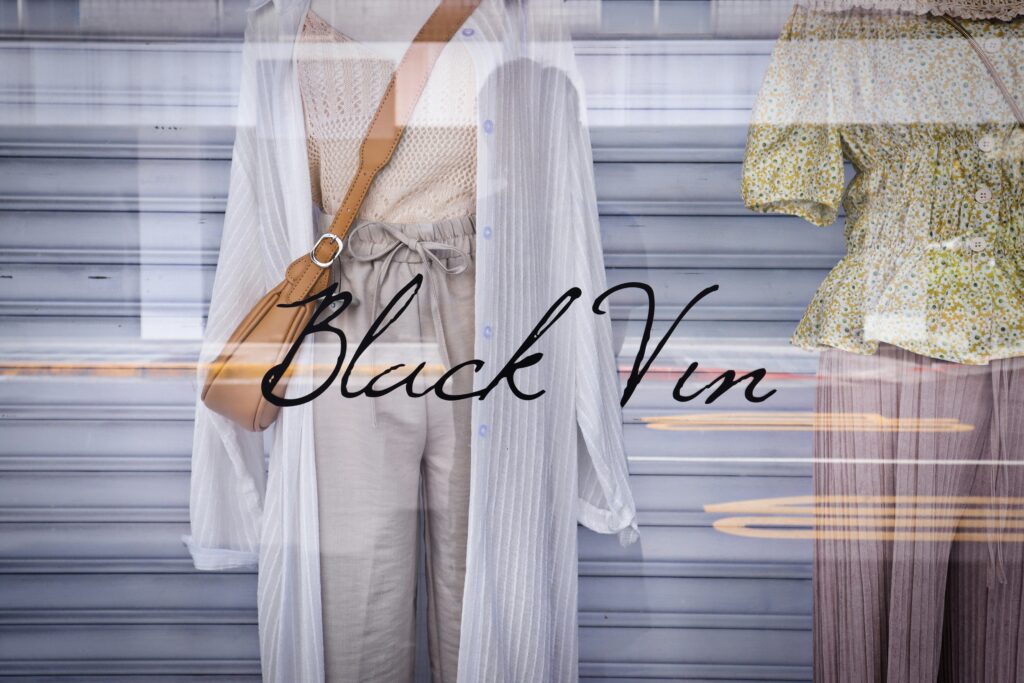
Seventies style is back, but this time it’s stripped of theatrics. Today’s revival leans into fluid silhouettes and grounded tones think soft shouldered blazers, flared trousers, and a heavy dose of camel, rust, and chocolate brown. It’s not about peacocking. It’s about mood: calm confidence with just enough vintage flash to feel intentional.
What’s different now is the distance from logos. Instead of statement branding, there’s a renewed focus on texture wool blends, brushed cottons, rich knits that offer visual weight without shouting. Tailoring isn’t stiff or status driven; it’s comfortable, precise, and built to last.
For Gen Z and Millennials, this pivot toward seventies minimalism is more than aesthetic. It’s a subtle rebellion against trend churn, fast fashion, and digital overload. These pieces hold attention without begging for it. And in a feed scrolling world, that quieter kind of impact might just be the new loud.
80s Oversized Everything
Power suits are back but not like your dad wore them. Think bigger, bolder, and unapologetically sharp. Padded shoulders, wide cuts, and dramatic lines are defining a silhouette that says, “I’m here, and I own this room.” Vloggers, stylists, and streetwear aficionados are all leaning into the ‘more is more’ mindset. Oversized blazers are being styled with biker shorts, wide leg trousers, or even layered over hoodies. It sounds chaotic, but it works.
Color has followed suit. Bright primaries reds, blues, saturated yellows plus metallic silvers and golds are showing up everywhere from editorials to morning commutes. Add in thick belts, bold earrings, or tinted sunglasses and you’ve got a look that screams personality instead of playing it safe.
The most surprising twist? This was the stuff we used to call costume. Now, it’s daily wear. The line between runway drama and real world attire is blurring. People want fashion that carries energy, not just polish. And the 80s? They’re giving it in spades.
90s Normcore 2.0
Normcore never really left but now it’s had a glow up. The 90s mantra of blending in is being reworked into something sharper. Think minimalist denim that fits just right, often in deadstock washes or ultra light rinses. Relaxed silhouettes dominate straight legs, unstructured tees, low key crewnecks all anchored via tonal layering that feels intentional, not accidental.
This round of normcore doesn’t lean sloppy. It’s back to basics, sure, but the details matter: selvedge denim, organic cotton, precise cuts. These are statement pieces hiding in plain sight. The look says you don’t chase fashion and yet, you’re clearly in control of every detail.
At its core, this is polished anti fashion. A pushback against logos, fast cycles, and try hard aesthetics. Instead, it’s about personal comfort that looks like quiet confidence. And the irony? It takes work to look this effortless.
Y2K Streetwear Revival

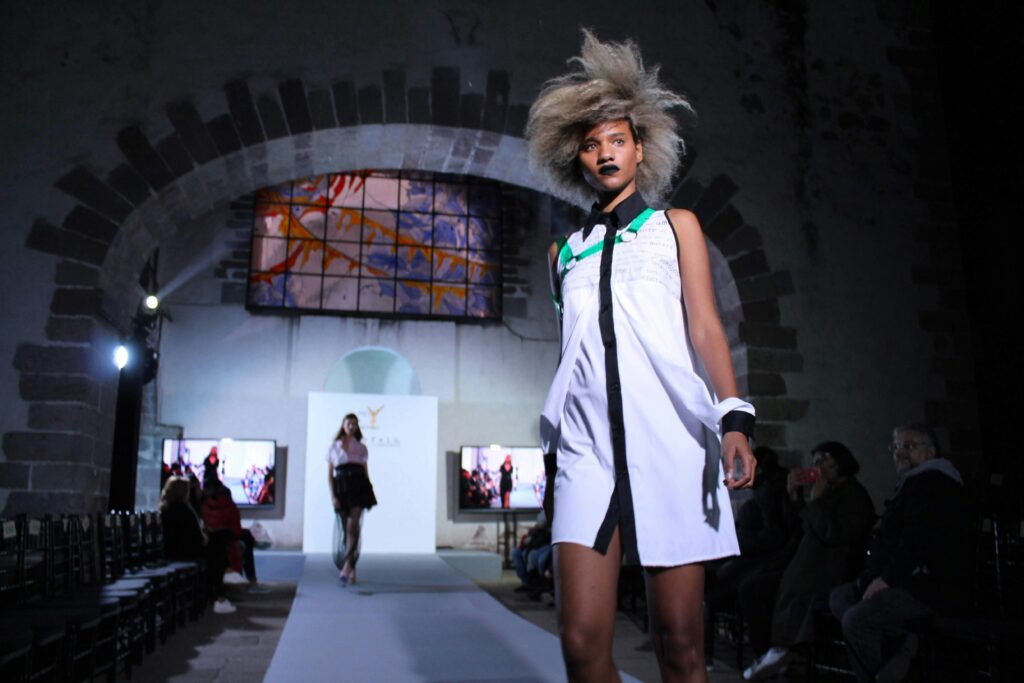
The early 2000s fashion wave is back and louder than ever. What started as a nostalgic nod has evolved into a full scale reinvention, with elements of Y2K style now central to designer collections and high street fashion alike.
Signature Elements of Y2K Streetwear
What defines this revival? A bold mix of nostalgia, tech influence, and street credibility:
Denim on denim: Matching jean jackets and jeans once taboo are now a statement. The key is balance: structured silhouettes with modern finishing.
Low slung cuts: Waistlines are dropping again, both in denim and athleisure. Paired with cropped tops or layered undershirts, the silhouette feels notably retro yet seasonally fresh.
Visible branding: Prominent logos, monograms, and graphic symbols are front and center. Whether layered or standalone, it’s about showing brand identity with confidence.
Techwear and Maximalist Sneakers
The influence of future facing streetwear is reshaping the Y2K look:
Techwear crossovers: Utility vests, cargo pants, and waterproof fabrics bring a functional edge to nostalgia soaked aesthetics.
Maximalist sneakers: Chunky soles and sculptural designs echo both performance wear and late ’90s skate culture.
These futuristic meets vintage pairings push Y2K fashion into a new zone, where old school meets cyber street.
The Role of Influencer Culture
Social media creators have turbocharged Y2K’s comeback:
Trend amplification: TikTok and Instagram have made early 2000s aesthetics viral again, especially among Gen Z.
Luxury integration: Influencers are styling Y2K staples like velour tracksuits and rhinestone tees with luxury accessories, elevating the look in ways that blur casual and couture lines.
From thrifted nostalgia to designer reinterpretations, Y2K isn’t just back it’s being reimagined for a new fashion chapter.
Why the Past Is the Present
Uncertainty pushes people to look backward. In chaotic times, nostalgia isn’t just comfort it’s currency. And fashion gets this. Designers are digging into the archives, pulling silhouettes, details, and fabrics from decades past. It’s not about copying the old playbook; it’s about reworking it for today’s anxieties and aesthetic cravings.
We’re seeing references from the 70s to the Y2K era, each reappearing with sharper tailoring or richer materials. Designers are treating the past like a toolkit, not a cage. Vintage cues are being fused with current technology and sensibilities. It’s part memory, part rebellion, and totally intentional.
Fashion cycles have always moved fast, but now they’re on hyperdrive. Social media accelerates trend exposure and burnout. In response, many brands are skipping the waiting game and re issuing styles that trigger emotional recall because what’s old is instantly familiar, and often, commercially safer.
This isn’t nostalgia for nostalgia’s sake it’s a creative survival strategy in a market that values immediacy more than ever.
Pro Styling Tips to Keep It Modern
Pulling off retro without looking like you raided a theme party requires restraint. Start small. That vintage varsity jacket? Great now pair it with modern, slim chinos and fresh sneakers. One standout item is enough. Let it speak without shouting over the rest of your look.
The key is balance. Avoid head to toe nostalgia. Full costume energy reads more like cosplay than style. Instead, look for subtle nods a wide lapel here, a boxy silhouette there. Add them in like seasoning, not the main dish.
And don’t forget tailoring. Most vintage finds weren’t made for you. If it’s oversized or oddly cut, get it altered. Clean lines and proper fit are what bring these pieces into today, not the decade they came from. It’s about making the old feel new without trying too hard.
How Men’s Fashion Is Shifting in 2026
Forget picking between form and function that debate’s getting left behind. In 2026, men’s style is pivoting toward something more layered: narrative. It’s no longer just about how something looks or works, but why it represents you. Clothing is becoming a medium for personal storytelling, and that’s reshaping trends from the inside out.
Whether it’s a vintage bomber inherited from a grandfather or a sustainably crafted tee from a local designer, choices now come with context. Fit, fabric, and silhouette still matter, but identity is leading the charge. Fashion isn’t trying to fit everyone into one mold; it’s giving people tools to define their own. That’s why we’re seeing more subcultural crossovers, heritage mash ups, and pieces that blur past and future.
If there’s one takeaway here, it’s this: what you wear says more about who you are than ever before.
For a deeper dive into where this is headed, check out Menswear Evolution: Emerging Trends in 2026 Fashion.
Final Word
Retro isn’t a step back it’s a reroute. The silhouettes, palettes, and textures of the past aren’t being copied; they’re being reimagined. Style cycles have always looped, but now, each return feels sharper, more self aware. The vintage blazer isn’t just a thrift find; it’s reworked, resized, and worn with purpose. The chunky sneaker? Paired with tailored trousers.
From 70s tailoring to Y2K streetwear, we’re not just seeing trends come back we’re watching them level up with every remix. Designers, stylists, and creators are blending decades like DJs, sampling old vibes but spinning them into something current. Legacy looks are gaining momentum not just because they’re nostalgic, but because they can be molded into bold personal statements today.
This season and beyond, expect to see more intentional crossover classic cuts in future fabrics, familiar patterns in unfamiliar shapes. The past is the new frontier. Own it. Mold it. Redefine it.