What Makes Couture Its Own Universe
Couture doesn’t happen on an assembly line. It begins with vision and ends in stitches, often a hundred thousand of them. Every piece is hand built from the inside out no shortcuts, no mass production. Detail is the foundation: hand sewn linings, embroidery that takes weeks, even months, and silhouettes calibrated for a single body. Exclusive fabrics dyed, woven, and finished in small batches add another layer of rarity. Couture isn’t about trends; it’s about legacy and statement.
This is fashion as art form. You don’t buy couture to wear it once. You collect it, pass it down, display it. It’s slow by nature and design. That’s the point.
From a business angle, couture is less about volume and more about halo effect. These shows and collections might not turn huge profits directly, but they drive brand power. The prestige fuels perfume sales, handbags, licensing deals. Couture defines the top of the pyramid, the artistic credibility that makes everything below it shine brighter. It’s why the biggest houses still fund it. Without couture, the brand story has no spine.
How Today’s Designers Are Rewriting the Couture Code
Couture isn’t frozen in time. The new guard is still obsessed with craftsmanship, but they’re not afraid to bend the rules. In 2024, the fusion of future and heritage is more than a theme it’s the method. Think 3D printed filigree stitched by hand, AI assisted digital fittings paired with centuries old embroidery, recyclable silk woven in micro labs instead of mulberry farms. Tech isn’t replacing tradition; it’s reinforcing it with more intention.
Designers are also changing how couture speaks. Structure and silhouette now carry narrative weight bold shoulders and fluid drapes expressing identity, defiance, or softness without words. No one’s sticking to the old gender binaries, and bodies of all types are being considered in both concept and construction. You’ll see gowns built like armor, suits that melt into skin, textiles that shift in light or movement.
Visuals are still vital, but meaning now comes with it who’s wearing the garment, why it was made, how it’s sourced. There’s more room to question, to play, and to be loud.
For more on how this intersects with wider fashion culture, see the current style overview.
Atelier Life: Deep Dive Into Craft, Time, and Precision
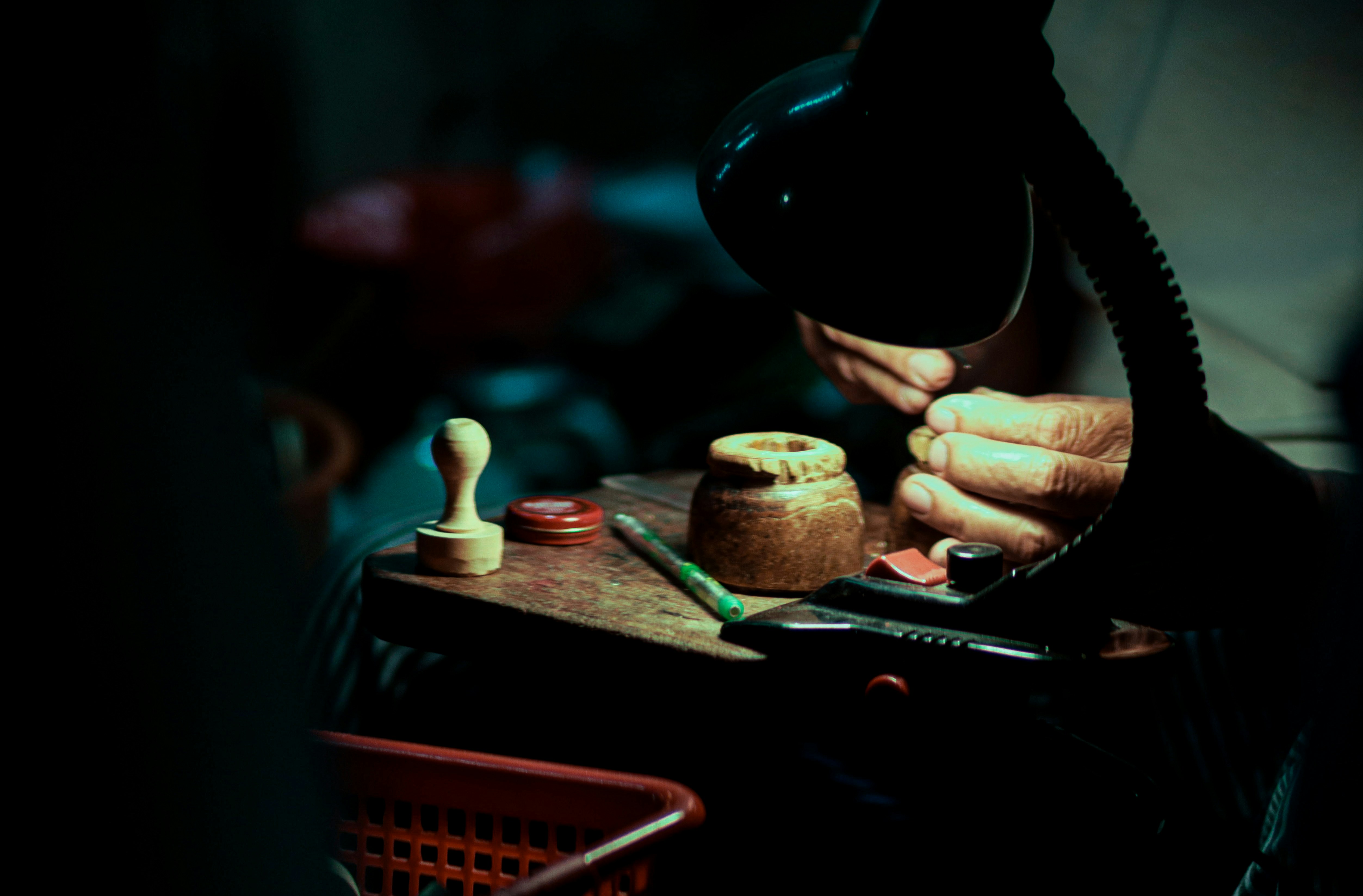
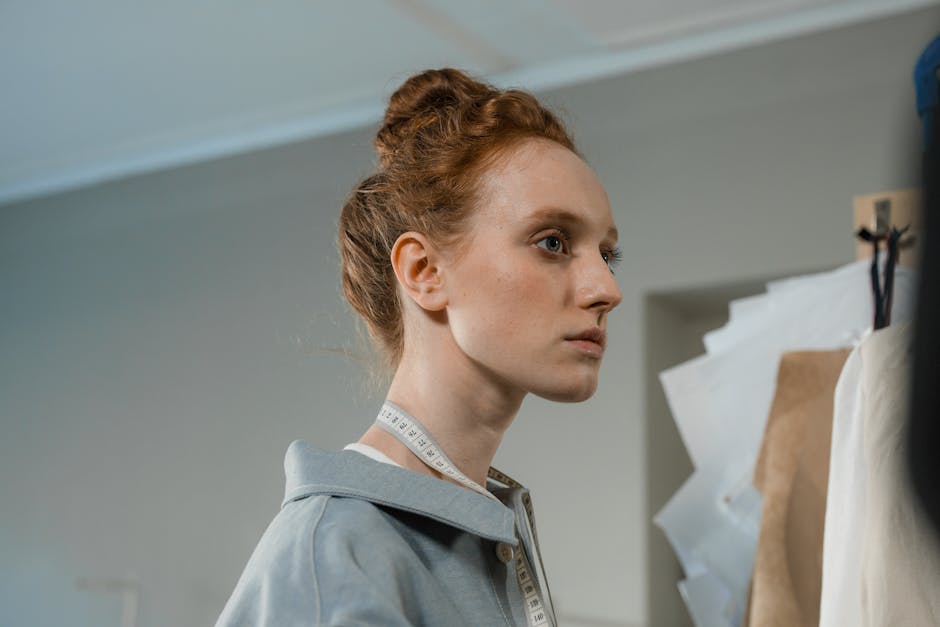
Behind every unforgettable couture piece is a tightly run operation built on discipline, craft, and generational knowledge. The atelier the designer’s dedicated workspace is not just a workshop, but a sanctum of intense artistic focus and meticulous precision.
The Structure of a Couture Atelier
Couture ateliers are often small and highly specialized, with clearly defined roles and an unmistakable hierarchy. This structure ensures that every detail meets the rigorous standards expected of couture.
Petites mains (“little hands”): Expert seamstresses who sew by hand with extraordinary precision
Première d’atelier: The key supervisor who oversees production and interprets the designer’s vision
Artisans and specialists: From feather workers to embroiderers, each craftsperson brings a unique skill set honed over decades
These teams work intimately with head designers, translating conceptual sketches into wearable, structural art.
Precision in Practice: From Fabric to Final Fitting
The process of bringing a couture piece to life is time intensive and incredibly layered:
Fabric Selection: Materials are sourced from exclusive mills, often custom dyed, and selected for their tactile and visual impact.
Initial Construction: A toile (prototype garment) is created in cotton muslin before any fine fabric is cut, allowing for structural adjustments.
Fittings: Clients undergo multiple fittings over several weeks to ensure flawless draping and fit.
Detailing and Embellishment: Hand embroidery, lacework, beading, and appliqué may require hundreds of hours for just one gown.
Each stage reflects the atelier’s pursuit of perfection no shortcuts are ever taken.
Final Moment: From Atelier to Runway
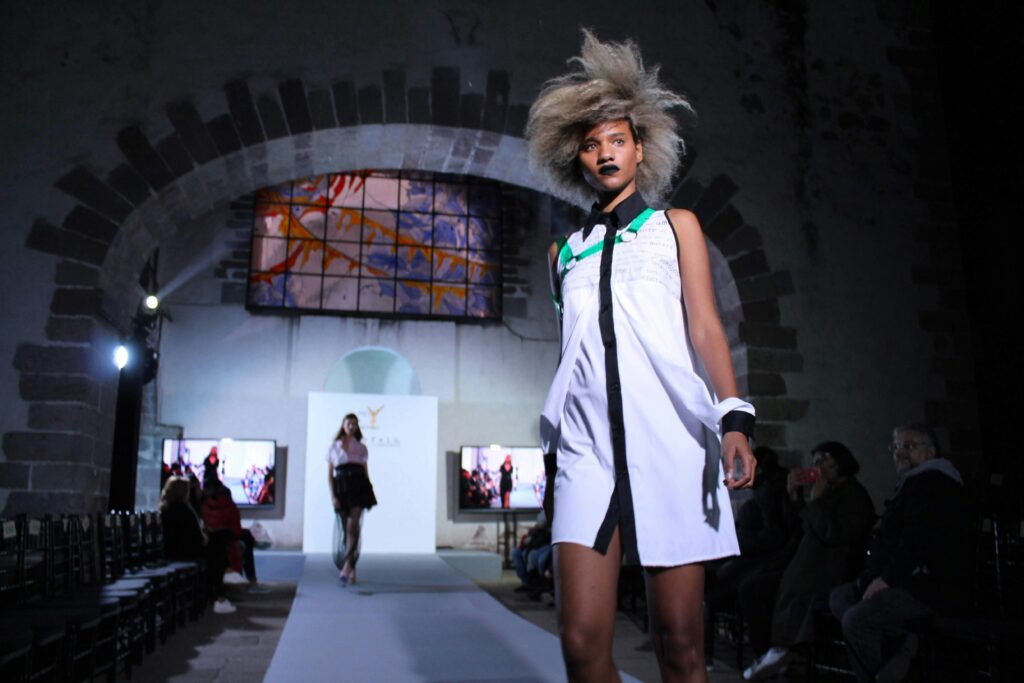
The culmination of months of work comes together in the hours leading up to a runway show. Final adjustments are made, pieces are steamed and pressed, and the designer, along with the entire atelier team, ensures that every garment tells its intended story.
Precision steaming and styling
Final approval by the designer
Coordinated dressing during the backstage madness of runway showtime
Couture is measured not in trends but in time, care, and the hands that stitch each thread into place.
Couture’s Cultural Impact Beyond the Runway
Red carpet premieres and awards shows have quietly evolved into global couture showcases. Celebrities aren’t just wearing gowns they’re debuting living, breathing art. That image of a custom look on Zendaya or Timothée Chalamet filters through social media, becomes a meme, lands in headlines, and trickles down into popular design language within days. These moments turn niche fashion into public spectacle, putting couture in front of millions.
Beyond the flashbulbs, museums and exhibit halls are giving couture the treatment it deserves. Major shows at institutions like the Met and Palais Galliera don’t just admire the clothes; they archive them as cultural artifacts. That kind of validation signals something bigger couture isn’t just fashion, it’s history in thread and fabric.
But the trickle down is real. You’ll see echoes of couture silhouettes in mid tier department store racks within a season. Fast fashion copies, while controversial, keep couture’s creative pulse circulating to those who can’t afford a five figure hemline. Even ready to wear collections take cues from couture’s storytelling, construction techniques, and use of bold materials. As elite as couture may be, it drives the direction for everything that follows.
(For a deeper look at how styles jump tiers, check the current style overview.)
Who to Watch: Leading Voices In Today’s Couture Scene
Legacy doesn’t mean locked in. Some of the biggest names in fashion are quietly and not so quietly remodeling the very houses they helped define. Think Maria Grazia Chiuri at Dior, steering the label toward feminist narratives and global craftsmanship. Or Demna at Balenciaga, fusing brutalist streetwear with couture pedigree, pole vaulting the familiar into the uncomfortable. These aren’t just aesthetic turns. They’re cultural recalibrations.
Beyond the fashion capitals, a new cohort is claiming space. Designers from places like Lagos, Mumbai, and Tbilisi are redefining couture’s edges. What used to be Paris only is now a multi continental conversation. Labels like Tokyo James or Rahul Mishra are proving that intricate, made to measure artistry isn’t bound by ZIP code. Nor by convention.
Meanwhile, sustainability has carved out a seat, not at the fringe, but right at the center. Artisans prioritizing upcycled silks, regenerative materials, and biodegradable finishes aren’t fringe disruptors anymore they’re the ones setting the pace. These designers aren’t rejecting tradition; they’re rebuilding it from the inside out, one conscious stitch at a time.
What Lies Ahead
Where Innovation Meets Tradition
The future of couture is a delicate dance between progression and preservation. While haute couture has always been rooted in meticulous handcraft, many designers are now navigating the challenge of integrating sustainable practices without compromising the essence of tradition.
Key challenges and goals in this space include:
Using eco conscious and ethically sourced fabrics without sacrificing luxury appeal
Embracing low waste cutting techniques and mindful production timelines
Maintaining traditional artisanal skills in a rapidly digitizing world
This balancing act reinforces an important truth: couture doesn’t shy away from the future it reinterprets it through a legacy lens.
Digital Couture: Fashion’s Next Dimension
Couture is increasingly exploring the intersection of fashion and tech. Designers are experimenting with augmented reality (AR), virtual reality (VR), and digital avatars to expand the boundaries of custom fashion experiences. These tools aren’t just gimmicks they’re unlocking new ways to conceptualize and deliver couture.
Noteworthy innovations in digital couture include:
Virtual try ons and fittings for remote client interactions
Digital garments created for online wear, gaming, or social platforms
AR enhanced runways blending physical garments with immersive storytelling
As technology advances, digital couture invites audiences into a new kind of intimacy where exclusivity meets innovation.
Couture’s Timeless Relevance
Couture refuses to rush. In an age of fast content and fleeting trends, this deliberate pace isn’t a flaw it’s the point. The couture model reminds us that deep creativity can’t (and shouldn’t) be accelerated arbitrarily.
Each piece is an artifact of time, attention, and intention
Couture storytelling is personal, not simply performative
The emphasis remains on craftsmanship, legacy, and forward vision
Couture remains high fashion’s soul: slow by design, fiercely individual, and always in motion even if that movement is measured, intentional, and deeply rooted in the art of making.

 Ask Michael Fullerstrat how they got into fashion events and runway highlights and you'll probably get a longer answer than you expected. The short version: Michael started doing it, got genuinely hooked, and at some point realized they had accumulated enough hard-won knowledge that it would be a waste not to share it. So they started writing.
What makes Michael worth reading is that they skips the obvious stuff. Nobody needs another surface-level take on Fashion Events and Runway Highlights, Wardrobe Essentials, Style Tips and Advice. What readers actually want is the nuance — the part that only becomes clear after you've made a few mistakes and figured out why. That's the territory Michael operates in. The writing is direct, occasionally blunt, and always built around what's actually true rather than what sounds good in an article. They has little patience for filler, which means they's pieces tend to be denser with real information than the average post on the same subject.
Michael doesn't write to impress anyone. They writes because they has things to say that they genuinely thinks people should hear. That motivation — basic as it sounds — produces something noticeably different from content written for clicks or word count. Readers pick up on it. The comments on Michael's work tend to reflect that.
Ask Michael Fullerstrat how they got into fashion events and runway highlights and you'll probably get a longer answer than you expected. The short version: Michael started doing it, got genuinely hooked, and at some point realized they had accumulated enough hard-won knowledge that it would be a waste not to share it. So they started writing.
What makes Michael worth reading is that they skips the obvious stuff. Nobody needs another surface-level take on Fashion Events and Runway Highlights, Wardrobe Essentials, Style Tips and Advice. What readers actually want is the nuance — the part that only becomes clear after you've made a few mistakes and figured out why. That's the territory Michael operates in. The writing is direct, occasionally blunt, and always built around what's actually true rather than what sounds good in an article. They has little patience for filler, which means they's pieces tend to be denser with real information than the average post on the same subject.
Michael doesn't write to impress anyone. They writes because they has things to say that they genuinely thinks people should hear. That motivation — basic as it sounds — produces something noticeably different from content written for clicks or word count. Readers pick up on it. The comments on Michael's work tend to reflect that.