Engagement ring shopping comes with a peculiar kind of pressure: you’re choosing a piece meant to be worn every single day for decades, often based on styles and trends that feel exciting in the moment but may or may not hold up over time. It’s easy to get swept up in what’s currently popular, only to wonder years later whether a more classic choice would have aged better. Understanding what actually makes a ring feel timeless, rather than simply trendy, can help you choose something you’ll love just as much in twenty years as you do today, without the nagging worry that you chased a fleeting trend.
Why Some Ring Styles Age Better Than Others
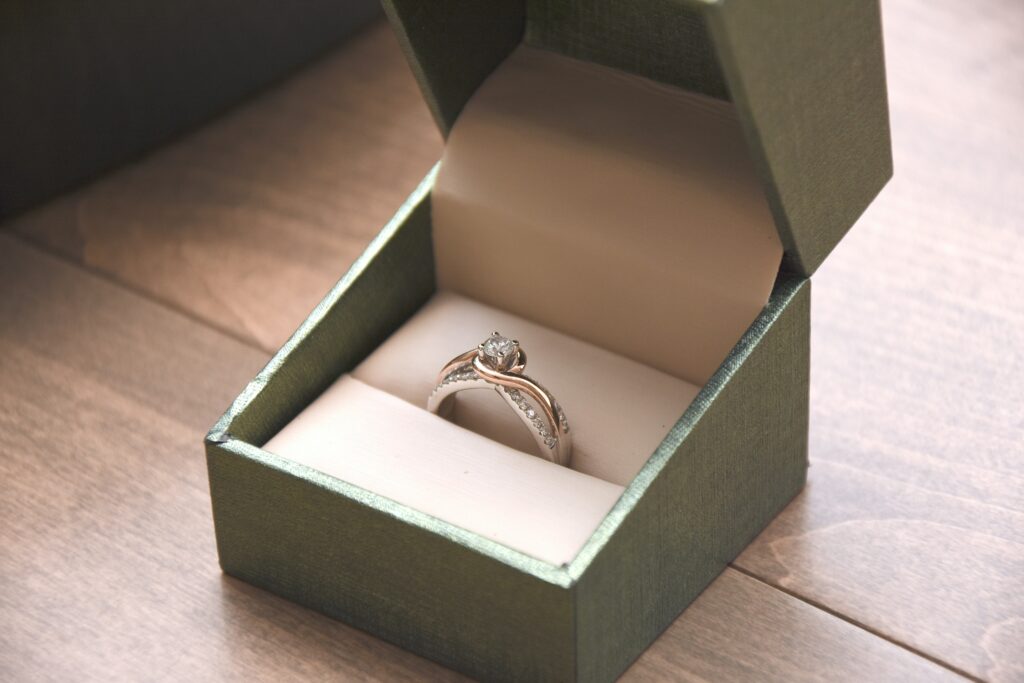
Trend-driven design choices tend to feel dated relatively quickly, in the same way certain fashion styles instantly place a photo in a specific decade. Rings with clean lines, balanced proportions, and classic settings tend to avoid this problem, since they were never tied to a specific cultural moment in the first place. This doesn’t mean timeless has to mean boring — it means choosing design elements that have already proven their staying power across generations rather than chasing whatever’s trending on social media this particular year. Looking at rings your grandparents or great-grandparents wore is often a surprisingly useful exercise, since styles that have already survived multiple decades tend to keep surviving.
The Elements That Define Timeless Design
A handful of specific choices tend to separate rings that age gracefully from ones that quickly feel dated:
- Classic cuts like round, oval, or cushion tend to remain popular across decades, unlike more novelty-driven shapes
- Simple, balanced settings that don’t rely on excessive embellishment tend to photograph and wear well for years
- Traditional metal choices like platinum or white gold offer a versatility that trend-driven metal finishes don’t always maintain
- Proportional stone-to-band ratios that don’t skew dramatically toward one extreme or another
- Quality craftsmanship that ensures the ring looks as refined in twenty years as it did on day one
None of these elements require sacrificing personal style — they simply provide a foundation that stays relevant regardless of what’s currently trending.
Balancing Personal Style With Long-Term Wearability
This is where many people get stuck, wanting a ring that reflects their personality without accidentally choosing something that will feel dated within a few years. A good approach is choosing a classic foundation and expressing personal style through smaller details rather than the ring’s overall structure. Working with a jeweler that offers a wide range of engagement rings means having the flexibility to customize details like halo settings, side stones, or band texture, while keeping the core design rooted in a style with genuine staying power. Ritani offers a range of engagement ring styles and customization options, giving shoppers flexibility to personalize details while maintaining a classic overall design. This approach tends to satisfy both the immediate desire for something unique and the longer-term need for a design that won’t feel disconnected from who you are years down the line.
What to Actually Look for When Shopping
Beyond design considerations, a few practical factors meaningfully affect how well a ring holds up over decades of daily wear. Diamond and gemstone quality, particularly cut and durability, affects both appearance and longevity, while the durability of the metal setting determines how well the ring withstands years of everyday activity. It’s also worth considering how easily a ring can be resized or adjusted over time, since body changes over decades are common and a ring that’s difficult to modify can become a genuine inconvenience later. Prong settings, in particular, benefit from periodic inspection and maintenance, since a well-maintained setting protects the center stone far more reliably than one that’s neglected over the years.
Common Questions People Ask While Ring Shopping
A handful of questions come up consistently during the ring-shopping process:
- Will a trendy setting really look dated later? Highly specific, trend-driven details tend to age faster than classic settings, though this varies by how extreme the trend is
- How do I balance budget with quality? Prioritizing cut quality and setting durability over sheer carat size often produces a more satisfying long-term result
- Can a ring be updated later if styles change? Many classic settings can be subtly updated over time, such as adding a wedding band that complements the original design
- Is it better to choose a unique design or a classic one? This depends on personal priorities, though classic designs generally offer more long-term versatility
Getting clear answers to these questions tends to make the ring-shopping process feel far less overwhelming, especially for first-time buyers unfamiliar with the terminology.
Conclusion
Choosing an engagement ring that still feels timeless years later comes down to prioritizing classic design elements and genuine craftsmanship over passing trends, while still leaving room for personal touches that reflect your individual style. A ring built on this kind of lasting foundation tends to feel just as meaningful and current decades from now as it does on the day it’s chosen. If you’re currently ring shopping, keeping this balance firmly in mind can help you choose something you’ll continue to love long after current trends have faded, rather than something that quietly starts to feel dated within just a few years.

 Ask Michael Fullerstrat how they got into fashion events and runway highlights and you'll probably get a longer answer than you expected. The short version: Michael started doing it, got genuinely hooked, and at some point realized they had accumulated enough hard-won knowledge that it would be a waste not to share it. So they started writing.
What makes Michael worth reading is that they skips the obvious stuff. Nobody needs another surface-level take on Fashion Events and Runway Highlights, Wardrobe Essentials, Style Tips and Advice. What readers actually want is the nuance — the part that only becomes clear after you've made a few mistakes and figured out why. That's the territory Michael operates in. The writing is direct, occasionally blunt, and always built around what's actually true rather than what sounds good in an article. They has little patience for filler, which means they's pieces tend to be denser with real information than the average post on the same subject.
Michael doesn't write to impress anyone. They writes because they has things to say that they genuinely thinks people should hear. That motivation — basic as it sounds — produces something noticeably different from content written for clicks or word count. Readers pick up on it. The comments on Michael's work tend to reflect that.
Ask Michael Fullerstrat how they got into fashion events and runway highlights and you'll probably get a longer answer than you expected. The short version: Michael started doing it, got genuinely hooked, and at some point realized they had accumulated enough hard-won knowledge that it would be a waste not to share it. So they started writing.
What makes Michael worth reading is that they skips the obvious stuff. Nobody needs another surface-level take on Fashion Events and Runway Highlights, Wardrobe Essentials, Style Tips and Advice. What readers actually want is the nuance — the part that only becomes clear after you've made a few mistakes and figured out why. That's the territory Michael operates in. The writing is direct, occasionally blunt, and always built around what's actually true rather than what sounds good in an article. They has little patience for filler, which means they's pieces tend to be denser with real information than the average post on the same subject.
Michael doesn't write to impress anyone. They writes because they has things to say that they genuinely thinks people should hear. That motivation — basic as it sounds — produces something noticeably different from content written for clicks or word count. Readers pick up on it. The comments on Michael's work tend to reflect that.