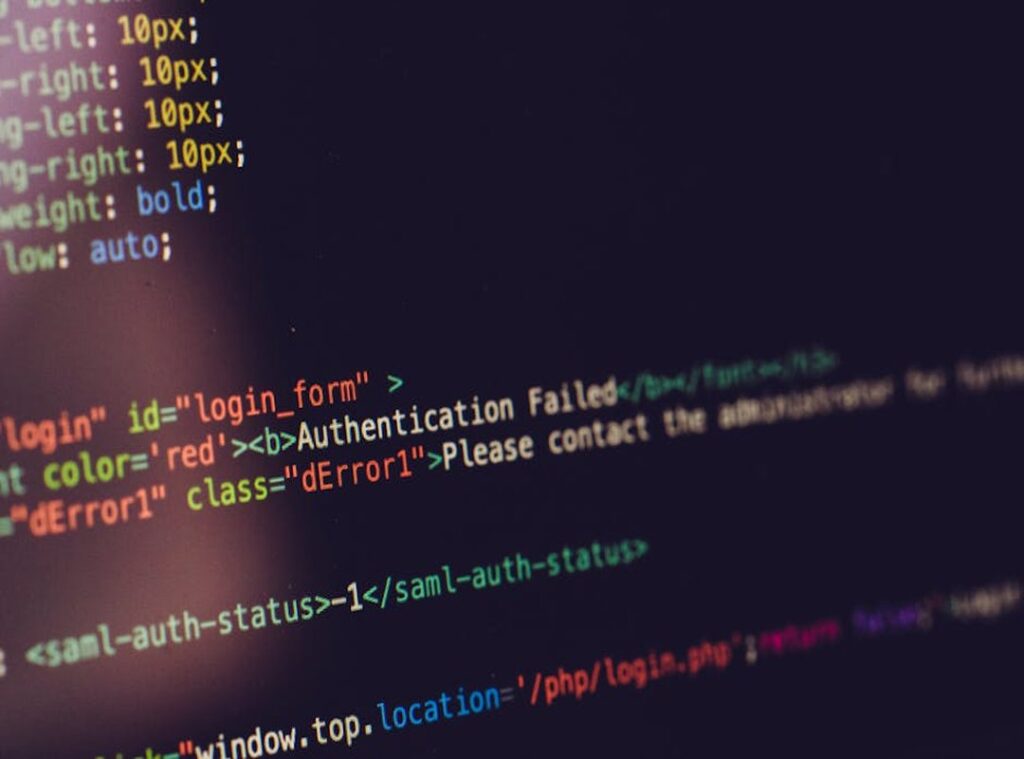
You’re probably staring at a loud, alarming error message that’s locked up your browser and demanding urgent action. Don’t panic. That genuine 28.6 error message is almost always a deceptive scam, not a real problem with your computer.
This article is here to help. I’ll walk you through a safe, step-by-step guide to remove the fake warning, secure your device, and learn how to spot these threats in the future.
By following these instructions, you can resolve the issue yourself without calling any suspicious phone numbers or paying for fake support.
These scams are so common because they prey on fear and a lack of technical knowledge. They make people feel helpless. But you don’t have to be one of them.
Let’s get started.
Deconstructing the ‘Error 28.6’ Scam: How It Works
The number ‘28.6’ is completely arbitrary. It’s chosen to sound technical and specific, but it doesn’t match any real Windows or Mac error code.
Scammers use a few common tactics. You might see a browser pop-up that’s hard to close. Flashing lights, warning symbols, and loud audio warnings are also typical.
And there’s always a prominent phone number for “technical support.”
Their goal, and to trick you into calling that number. Once you do, a fake technician will try to gain remote access to your computer.
If you grant them access, they can install malware, steal personal or financial information, or charge you hundreds of dollars to “fix” a non-existent problem.
Here’s the critical rule: legitimate companies like Microsoft, Apple, or Google will never use a browser pop-up to ask you to call a phone number for support.
So, what should you do if you see an ERROR 28.6 message? Ignore it. Close the tab, and don’t call the number.
Stay safe out there.
Your Step-by-Step Guide to Safely Removing the Pop-Up
First things first: DO NOT click anywhere on the pop-up or call the number provided. Trust me, it’s not your lucky day.
Now, let’s get that pesky pop-up out of your face. If the normal ‘X’ button isn’t working, you’ll need to force-close the browser.
For Windows Users
Press Ctrl + Shift + Esc to open Task Manager. Find your browser in the list and click “End Task.” Simple as that.
For Mac Users
Hit Option + Command + Esc to bring up the Force Quit menu. Select your browser and hit “Force Quit.” Problem solved.
When you reopen your browser, a prompt might ask if you want to “Restore previous session.” Decline this. It’s like saying no to a second slice of pie—sometimes it’s for your own good.
Next, clear your browser’s cache, cookies, and history. This is like giving your browser a nice, refreshing shower. It removes any files that could cause the pop-up to reappear.
Finally, run a full system scan with a trusted antivirus program. I recommend using something like Windows Defender or Malwarebytes. This ensures no grs uine28.6 error codes or other malicious files are lurking in the background, ready to pounce.
Follow these steps, and you should be back to browsing without any unwanted interruptions. Stay safe out there!
How to Spot Fake vs. Real System Warnings
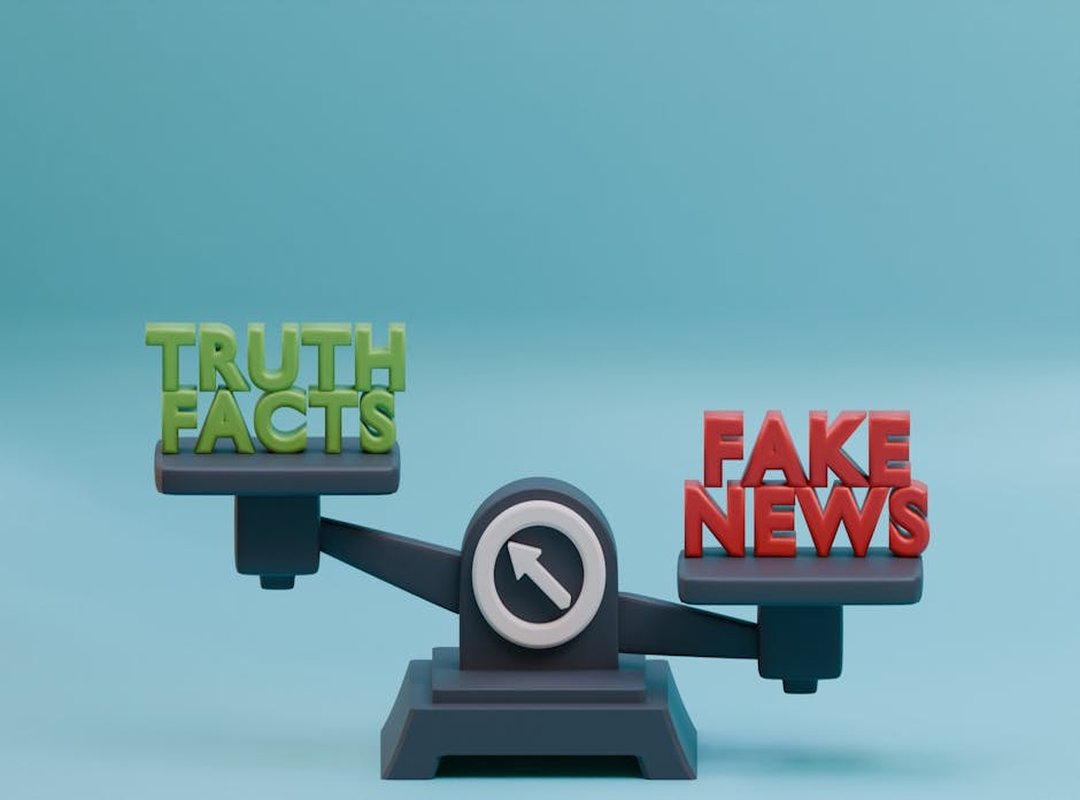
Let’s get real. You’ve probably seen those annoying pop-ups that scream your computer is infected. But how do you know if it’s legit or just a scam?
Characteristics of FAKE Warnings
- Appear inside your web browser.
- Use overly dramatic and threatening language. (“Your computer is infected!”, “Act immediately!”)
- Have spelling or grammar mistakes.
- Always provide a phone number to call.
Characteristics of REAL Warnings
- Originate from your operating system (e.g., Windows Security, macOS) or installed antivirus software.
- Professional in tone.
- Direct you to official tools or websites.
Here’s a simple mental checklist:
– Is this message inside my browser?
– Does it want me to call a number?
– If yes to either, it’s almost certainly a scam.
A real warning often appears as a small, clean notification in the corner of your screen. A scam, on the other hand, takes over your entire browser window.
For more tips on staying safe online, check out Lwspeakstyle.
Remember, a real system error might show a specific code like grs uine28.6. If you see something like that, it’s worth looking up.
Already Called the Number? Here’s What to Do Next
If you’ve already called the number, don’t panic. Here’s a quick action plan to help you secure your devices and accounts.
Step 1: Immediately disconnect your computer from the internet. This severs any remote connection the scammer might have.
Step 2: Contact your bank or credit card company. If you paid for anything, report the fraudulent charge and request a chargeback.
Step 3: Run multiple, thorough scans. Use different reputable anti-malware programs to find and remove anything the scammer may have installed.
Step 4: Change your passwords. Update the passwords for all your critical accounts, especially email, banking, and social media. They may have been compromised.
| Step | Action |
|---|---|
| 1 | Disconnect your computer from the internet. |
| 2 | Contact your bank or credit card company to report the fraudulent charge and request a chargeback. |
| 3 | Run multiple, thorough scans with different reputable anti-malware programs. |
| 4 | Change the passwords for all your critical accounts, especially email, banking, and social media. |
If you encounter any issues, look for grs uine28.6 error codes. These can provide specific guidance on what might be going wrong and how to fix it.
Staying Safe from Future Tech Support Scams
Scary browser pop-ups like the grs uine28.6 error are designed to trick you, not to help you. Your skepticism is your best defense.
Never call a phone number that appears in a browser pop-up warning.
Keep your browser and operating system updated, and use a reputable ad-blocker. Trust your installed antivirus software over random web alerts.
You now have the tools to recognize and handle these scams confidently on your own.

 Drevian Tornhaven is the kind of writer who genuinely cannot publish something without checking it twice. Maybe three times. They came to style tips and advice through years of hands-on work rather than theory, which means the things they writes about — Style Tips and Advice, Fashion Trends and Updates, Sustainable Fashion Insights, among other areas — are things they has actually tested, questioned, and revised opinions on more than once.
That shows in the work. Drevian's pieces tend to go a level deeper than most. Not in a way that becomes unreadable, but in a way that makes you realize you'd been missing something important. They has a habit of finding the detail that everybody else glosses over and making it the center of the story — which sounds simple, but takes a rare combination of curiosity and patience to pull off consistently. The writing never feels rushed. It feels like someone who sat with the subject long enough to actually understand it.
Outside of specific topics, what Drevian cares about most is whether the reader walks away with something useful. Not impressed. Not entertained. Useful. That's a harder bar to clear than it sounds, and they clears it more often than not — which is why readers tend to remember Drevian's articles long after they've forgotten the headline.
Drevian Tornhaven is the kind of writer who genuinely cannot publish something without checking it twice. Maybe three times. They came to style tips and advice through years of hands-on work rather than theory, which means the things they writes about — Style Tips and Advice, Fashion Trends and Updates, Sustainable Fashion Insights, among other areas — are things they has actually tested, questioned, and revised opinions on more than once.
That shows in the work. Drevian's pieces tend to go a level deeper than most. Not in a way that becomes unreadable, but in a way that makes you realize you'd been missing something important. They has a habit of finding the detail that everybody else glosses over and making it the center of the story — which sounds simple, but takes a rare combination of curiosity and patience to pull off consistently. The writing never feels rushed. It feels like someone who sat with the subject long enough to actually understand it.
Outside of specific topics, what Drevian cares about most is whether the reader walks away with something useful. Not impressed. Not entertained. Useful. That's a harder bar to clear than it sounds, and they clears it more often than not — which is why readers tend to remember Drevian's articles long after they've forgotten the headline.