Ground Level Influence: Why Street Style Matters
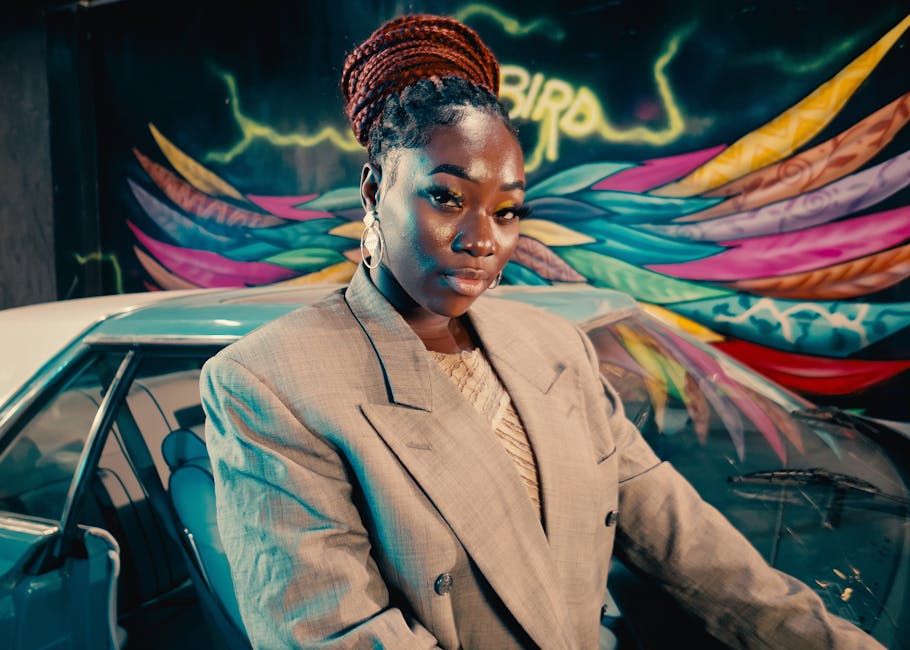
Street style isn’t just a fashion category it’s a reflection of cultural attitudes, societal shifts, and raw creativity. Before trends show up on runways or in curated campaigns, they’re often seen first on sidewalks, trains, and neighborhood hangouts.
Streetwear as a Cultural Mirror
Street style acts as a mirror to the social and cultural landscape of its time. It captures:
Emerging political or social movements
Shifting gender roles and identity expressions
Economic realities and resourceful styling
This visual language evolves with its environment, offering commentary on everything from inclusivity to rebellion.
Fashion From the Ground Up
Unlike traditional fashion trends forecasted seasons in advance, street style grows organically. Real people are experimenting daily reshaping silhouettes, reviving vintage pieces, remixing high and low fashion.
Street trends often start with need, comfort, or cultural heritage
Influencers are not always celebrities they can be anyone with bold ideas and visibility
The runway increasingly looks toward streetwear for authentic inspiration
Organic Evolution vs. Top Down Forecasting
Mainstream fashion has historically tried to dictate trends from the top down. But in today’s landscape:
Grassroots style movements often gain traction before luxury brands can respond
The rise of social media has decentralized trendsetting, giving everyday people influence
Top down forecasting now competes with bottom up creativity that feels more relatable and immediate
Street style doesn’t wait for validation from the fashion industry. It leads and the industry follows.
Past to Present: Street Style’s Fashion Cred
From Streets to the Spotlight
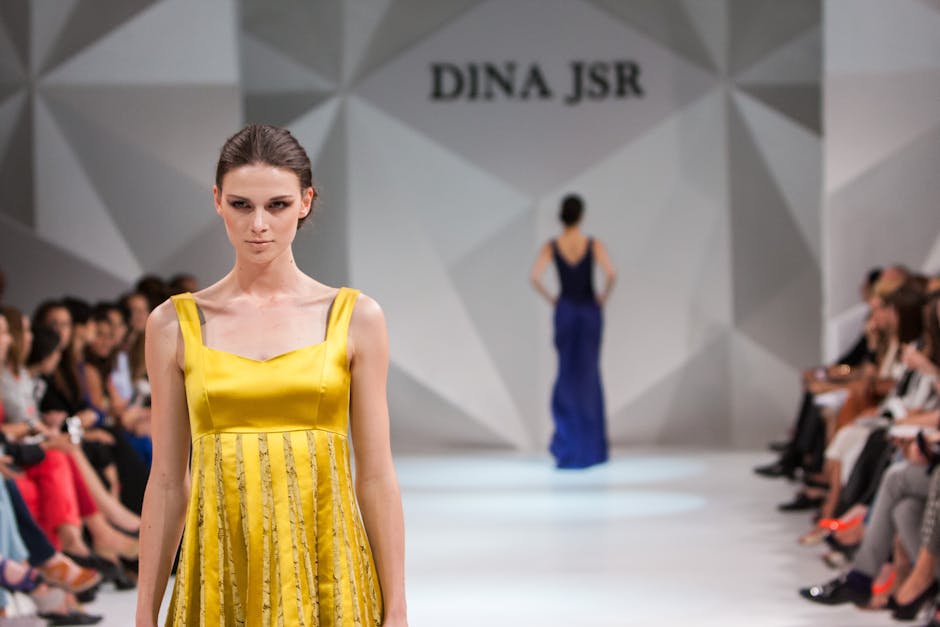
Street style has traveled a long road from asphalt to atelier. What once lived on skate parks, street corners, and concert venues now walks the same catwalks as couture. The influence is undeniable: Paris, Milan, and New York Fashion Weeks now regularly feature looks rooted in real world culture.
Street style’s humble beginnings in inner city and youth subcultures
Once dismissed by the fashion elite, now a fixture on global runways
Examples include skater silhouettes evolving into high end tailoring, and urban sportswear shaping luxury street luxe collections
Subcultures That Shaped the Runway
Underground movements have repeatedly fed and refreshed high fashion. Styles once considered fringe now serve as seasonal inspiration boards for major labels:
Punk: From safety pins to ripped denim, punk introduced rebellion and attitude to fashion. Designers like Vivienne Westwood turned anarchic looks into fashion statements.
Hip Hop: Oversized fits, bold logos, and luxe sneakers all stem from hip hop culture now richly interpreted by brands like Balenciaga, Louis Vuitton, and Gucci.
Grunge: Originally a sonic and sartorial rejection of glitz, the messy layering and thrift aesthetics of grunge became iconic on designer runways thanks to collections from Marc Jacobs and others.
Designers Who Embrace Street Style
Many influential designers now openly credit street culture as a core muse:
Virgil Abloh blurred the line between fashion house prestige and everyday wear with Off White and Louis Vuitton menswear.
Demna Gvasalia of Balenciaga channels gritty realism into high fashion spectacle, drawing directly from consumer culture and street scenes.
Telfar Clemens redefines luxury with a focus on inclusivity and accessibility, building collections around universal, community informed style.
Today, street style doesn’t just feed fashion it leads it. Who’s wearing what on the city sidewalk might be what’s hitting the runway next season.
Trend Transfer: The Path from Sidewalk to Storefront

Streetwear isn’t waiting to be discovered anymore it’s being broadcast, dissected, and repurposed in real time. Social media platforms have become accelerators. The second a standout look hits TikTok or a fit check post gains traction on Instagram, that look enters the global feed. What once took seasons to evolve now spreads in days.
Style bloggers and influencers aren’t just reacting they’re directing. Their uploads create mini trend waves that ripple into the mainstream. These creators have become unofficial scouts for what’s next, pushing aesthetics from city corners to center stage.
Fashion houses aren’t just watching they’re borrowing. Fast. A grainy street snap can spark a runway look just a few months later. From silhouette shapes to color stories, the sidewalk is setting the brief. The result: collections that carry traceable street DNA.
This loop from people to pixels to luxury labels is tight, fast, and showing no signs of slowing.
Style Spotlights: Recent Examples That Made It Big
Street style doesn’t ask permission it just shows up. And right now, it’s showing up oversized, unfiltered, and unbothered. Think boxy coats that swallow silhouettes, chunky retro sneakers pulled straight from a ’90s locker room, and layers that defy gender norms. It’s part secondhand ingenuity, part anti glam rebellion. The more offbeat, the better.
DIY styling is pushing that even further. People aren’t waiting for curated looks they’re cutting, pinning, mixing textures, and bending color rules like pros. Mixed prints that clash? That’s the point. Outfits patched together from thrift bins and upcycled scraps? That’s high style now. It’s a mindset more than a look: raw, real, and tailored only to the person wearing it.
Platforms like LetWomenSpeak have tapped into this current. Their trend picks echo what’s going down in actual neighborhoods lived in looks curated by people who wear what matters to them, not what fits a theme. The message is clear: fashion is finding its soul again, and it’s walking in worn soles.
Why Brands Pay Attention
The street doesn’t lie. When a look takes off on the sidewalk, brands take note. Street adoption is the rawest kind of market validation no focus groups, no marketing budget, just real people putting real outfits into rotation. It’s influence that can’t be bought, only earned. And when something catches fire at that level, even the most curated fashion houses pivot.
In today’s climate, authenticity beats polish. A style that starts in the skate park or corner store can outsell a glitzy campaign because it comes with built in credibility. Consumers are savvier now. They want pieces that feel lived in, not manufactured. So when a trend bubbles up from the street, it arrives with proof it works, it resonates, it moves.
Big brands know this, which is why collaborations with street artists and underground designers are more than PR stunts. They’re strategic plays. Think murals turned into jacket prints, or capsule drops crafted with influencers who started with raw edits on social. These partnerships create cultural crossover. They bring the edge of the street into the luxury space without diluting either one.
Style for the People, By the People
Trend cycles aren’t slowing down they’re shifting sideways. Instead of moving from high fashion down to the streets, they’re now starting on the ground and working outward. What’s next? Decentralization. We’re seeing style hubs pop up in places that rarely made the style pages a decade ago. Think Lagos, Tbilisi, Medellín. These aren’t just side stories they’re shaping global aesthetics with raw intent and community first energy.
It’s less about what’s trending and more about who’s claiming space. Local scenes are becoming their own style epicenters, where thrift, tradition, and innovation collide. You’ve got people mixing secondhand military coats with handwoven trousers and making it feel like runway.
Fashion’s course correction lies in stripped down self expression real people, honest stories, and styles that can’t be mass produced. Street style is reminding the fashion machine that the freshest ideas usually come from outside the showroom.
For a closer look at how grassroots fashion is taking the lead, check out the latest LetWomenSpeak fashion trends.

 Drevian Tornhaven is the kind of writer who genuinely cannot publish something without checking it twice. Maybe three times. They came to style tips and advice through years of hands-on work rather than theory, which means the things they writes about — Style Tips and Advice, Fashion Trends and Updates, Sustainable Fashion Insights, among other areas — are things they has actually tested, questioned, and revised opinions on more than once.
That shows in the work. Drevian's pieces tend to go a level deeper than most. Not in a way that becomes unreadable, but in a way that makes you realize you'd been missing something important. They has a habit of finding the detail that everybody else glosses over and making it the center of the story — which sounds simple, but takes a rare combination of curiosity and patience to pull off consistently. The writing never feels rushed. It feels like someone who sat with the subject long enough to actually understand it.
Outside of specific topics, what Drevian cares about most is whether the reader walks away with something useful. Not impressed. Not entertained. Useful. That's a harder bar to clear than it sounds, and they clears it more often than not — which is why readers tend to remember Drevian's articles long after they've forgotten the headline.
Drevian Tornhaven is the kind of writer who genuinely cannot publish something without checking it twice. Maybe three times. They came to style tips and advice through years of hands-on work rather than theory, which means the things they writes about — Style Tips and Advice, Fashion Trends and Updates, Sustainable Fashion Insights, among other areas — are things they has actually tested, questioned, and revised opinions on more than once.
That shows in the work. Drevian's pieces tend to go a level deeper than most. Not in a way that becomes unreadable, but in a way that makes you realize you'd been missing something important. They has a habit of finding the detail that everybody else glosses over and making it the center of the story — which sounds simple, but takes a rare combination of curiosity and patience to pull off consistently. The writing never feels rushed. It feels like someone who sat with the subject long enough to actually understand it.
Outside of specific topics, what Drevian cares about most is whether the reader walks away with something useful. Not impressed. Not entertained. Useful. That's a harder bar to clear than it sounds, and they clears it more often than not — which is why readers tend to remember Drevian's articles long after they've forgotten the headline.