Understanding the Power of Layers
Layering isn’t a trend it’s the backbone of any smart wardrobe, and in 2026, its relevance hasn’t slipped a bit. The weather still can’t make up its mind. Office A/C is still frigid. And people still want to look put together without overthinking it. That’s where layers step in evolving from a utilitarian hack to a full on style strategy.
At its core, layering still solves problems: warmth, flexibility, unexpected shifts in the day. But now it also plays a larger role in shaping personal style. A layered outfit shows intention. It adds depth, structure, and even unpredictability to a look without relying on loud prints or logos. Add a long vest over a cropped hoodie, and suddenly, basic becomes bold.
But here’s the key: comfort isn’t optional. Layers that pinch, puff, or overheat under pressure kill confidence fast. The best dressed people in 2026 aren’t focused solely on appearances they’re building outfits they can breathe, move, and live in. And when your outfit matches your rhythm? That’s when style starts to feel like second nature.
Spring: Light & Functional
Spring is all about transition. You need pieces that keep you comfortable as temperatures swing between cool mornings and warmer afternoons.
Go To Spring Layering Pieces:
Lightweight knits
Breathable bombers or cropped jackets
Button ups over tees or tanks for flexible styling
Style Notes:
Stick with layers that are easy to add or remove
Avoid overly thick fabrics that trap heat too quickly
Color Strategy:
Incorporate soft neutrals (beige, dove gray) and fresh pastels (sage, peach, lilac)
Choose colors that complement both cool and warm weather tones
Quick Tip: Keep bulk to a minimum. Build warmth in thin, stackable layers that won’t overwhelm your silhouette.
Summer: Stay Cool While Layered
Yes, you can layer in summer if you do it smartly. Look for materials that promote airflow and pieces that shield from harsh sun while still feeling weightless.
Key Summer Fabrics:
Sheer tops and lightweight mesh
Cotton linen blends
Ultralight tech fabrics
Smart Styling Ideas:
Use open layers (like unbuttoned shirts or vests) instead of sealed clothing
Make layering about visual depth, not added heat
Pro Tip:
Your summer outfit could feature a sports mesh tank under a loose fit, short sleeve shirt. It adds dimension without compromising ventilation.
Bonus Thought: Wear pieces that look good on their own and even better together you don’t have to commit to every layer all day.
Fall: Texture Meets Transitional Comfort
Fall is the season for play. Mix and match textures and colors while layering for that perfect crisp but not frigid feel.
Essential Fall Layers:
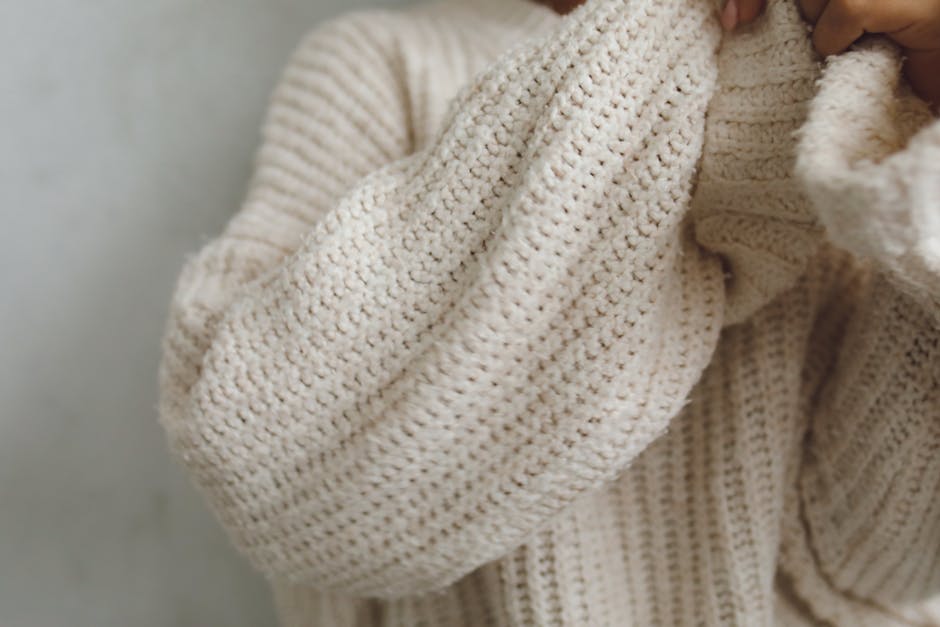
Chunky knits and cardigans
Utility jackets and lightweight parkas
Oversized scarves and wraps
Tactile Styling Tips:
Pair soft knits with rugged denim or canvas
Mix smooth surfaces with textured fabrics for contrast
Color Themes for Fall:
Burnt orange, olive, plum, and camel complement autumn’s softer light
Use layering to transition summer tones into deeper shades
Style Reminder: Get bold with combinations fall welcomes variety and intentional clashes.
Winter: Warmth Without the Bulk
Winter layering is about smart strategy. Every piece should serve a purpose from heat retention to weather protection without overloading your frame.
Winter Layering Formula:
Base: Moisture wicking thermal or merino layer
Mid: Fleece, quilted vest, or insulated hoodie
Outer: Waterproof parka or insulated wool coat
Essential Add Ons:
Gloves, beanies, and scarves that don’t just trap heat but enhance the look
Footwear that pairs function and fashion (insulated boots, waterproof sneakers)
Efficiency Tip: Layer like a system. Each piece should work together, trapping warmth without feeling stiff.
Visual Impact: Choose winter layers in darker neutrals with one pop accent to elevate cold weather looks without over accessorizing.
Pro Level Styling Tips
Mastering layers isn’t just about staying warm it’s about making a statement without saying a word. The first move? Layer lengths. Play with contrast. A longline coat over a cropped jacket. An oversized shirt under a shorter jacket. This kind of high low silhouette adds dimension and attitude. The key is balance intentional asymmetry that reads elevated, not sloppy.
Next up: color stacking. It’s not just about matching anymore. Start with monochrome to get the hang of it head to toe navy or tonal browns. Then experiment with controlled clashes, like olive with maroon or cobalt with burnt orange. Use neutrals to break strong combinations when needed. There’s a big difference between bold and chaotic color should push, not overwhelm.
Mix materials, but don’t do it blind. Pair leather with soft knits, denim with wool, or fleece with crisp cotton. The goal is tension and texture that refined edge that looks deliberate. What you don’t want? Everything shiny, everything matte, or everything the same.
And if you’re feeling confident, go one step further and dive into pattern mixing. But tread carefully. There’s real technique involved. For help getting it right, check out The Do’s and Don’ts of Mixing Patterns in Your Outfits.
Go To Layering Essentials for 2026
Performance fabrics have quietly become the backbone of modern layering. We’re talking lightweight materials that wick sweat, insulate when needed, and move with you not against you. These aren’t gimmicky tech pieces. They’re engineered for real life: bike commutes, rooftop drinks, rushed layovers. Comfort doesn’t have to scream.
That shift is clearest in elevated basics. The hybrid shirt jacket (aka the shacket) is now a daily driver that flexes between office and weekend. Tech paneled hoodies blend commuter ready details with comfort first design. And 3 in 1 outerwear? Smart layering in a single grab and go piece. These aren’t seasonal fads they’re built for utility without ditching the aesthetic.
But let’s talk about the underrated MVP: your base layer. If you nail the foundation whether it’s a moisture wicking tee or a seamless thermal it makes every layer above it work better. Start from the skin out. Build smart. Layer less, but layer right.
Final Advice: Keep It Adaptive
Layering isn’t a static formula it’s a moving target. The pieces you choose at 8 AM might not suit you by 2 PM, and that’s the point. Your day shifts. Your vibe shifts. Your clothes should respond, not resist. If you’re running errands in a breezy shell and end the day at a rooftop event, your outfit shouldn’t need a complete reset just a smart peel or swap.
Think in threes: temperature, personality, and setting. What’s the climate doing? What energy do you want to give off? Are you biking downtown or sitting through a client pitch? The most successful layered looks handle all three without looking overloaded or like you grabbed whatever was clean.
Ask yourself one question before stepping out: does this look like a choice or an accident? If it doesn’t feel deliberate, tweak it. Sharpen a hemline. Swap a shoe. Ditch the second hoodie. You’re telling a story, so keep rewriting until it reads exactly how you want it.