
Master the Basics First
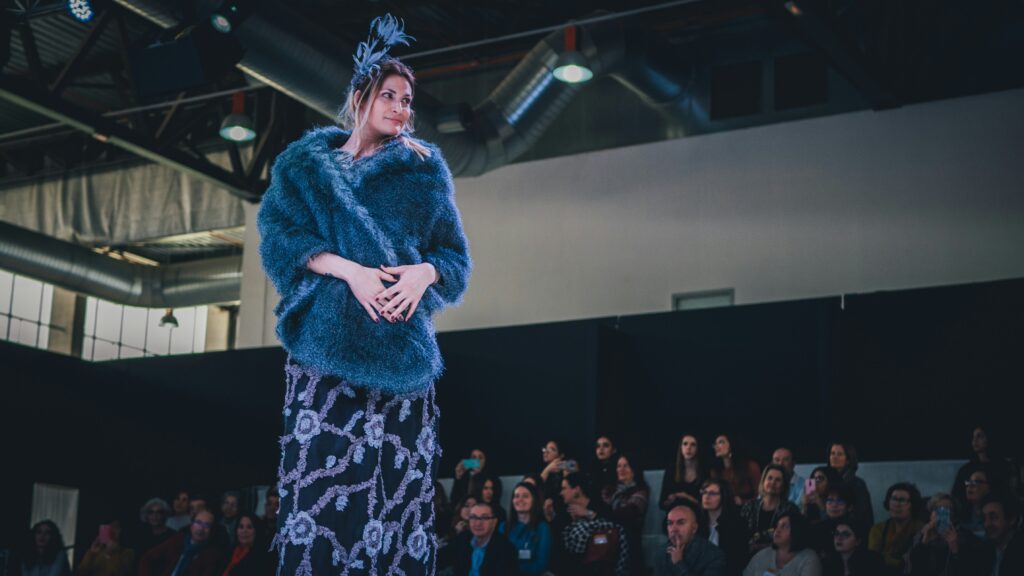
Pattern mixing has officially broken out of the fashion week bubble. What used to be the territory of stylists and runway icons now lives in everyday outfits and it’s more approachable than it seems. The shift: people are realizing that mixing prints isn’t about making a loud statement. It’s about balance, thought, and a little bit of play.
The trick is understanding the three fundamentals: scale, contrast, and color. Scale is about proportion. Don’t pair two massive patterns that fight for attention instead, combine a large floral with a fine stripe or tiny polka. Contrast keeps the eye interested, but not overwhelmed, so mix prints with opposing shapes or energy levels (like edgy geometric with soft organic). Color is the glue. Stay within a similar palette or use neutrals to connect the dots. When color harmony is off, no amount of clever matching will save it.
Training your eye takes practice. Start simple: mix one printed piece with a basic, then try combining two similar print families, like a plaid shirt over a gingham dress. Take photos, check yourself in natural light, and don’t overthink the rules. You’ll start to feel what works.
Pattern mixing isn’t advanced. It’s just intentional. Once you learn to see rhythm in prints and find common threads, your wardrobe opens up without needing more clothes.
DO: Stick to a Cohesive Color Palette
Before you even think about mixing patterns, lock in your color story. One dominant color your anchor should lead the way. Whether it’s navy, rust, olive, or black, having that central shade grounds your look and gives you a visual starting point.
Now layer in your neutrals. Whites, greys, beiges they pull the weight in toning things down, giving your patterns space to breathe. They should support the anchor color, not compete with it.
Feeling bold? That’s when complementary colors come into play. If your dominant hue is deep blue, a pop of burnt orange in a scarf or sneaker can fire things up without throwing the outfit out of sync. The trick is in balance. You’re not going for a color explosion you’re aiming to create just enough tension to make the look feel alive.
A coherent palette is what separates intentional from chaotic. Start there, and your patterns fall into place.
DON’T: Combine Too Many Loud Patterns at Once
Visual overload is real and it kills an outfit faster than a bad hemline. When you stack multiple bold patterns, each screaming for attention, none of them win. If everything is loud, nothing stands out. Your outfit goes from intriguing to exhausting.
That’s why the “one loud, one subtle” rule works. Let one print lead. Maybe it’s a bold floral or punchy plaid. Pair it with something less aggressive stripes, small dots, or even texture based prints that read quietly. This gives the eye a place to rest while still keeping things visually interesting.
Pattern mixing isn’t about doing the most; it’s about balancing impact with restraint. When in doubt, strip it back. One sharp contrast almost always hits harder than five clashing patterns trying to share the spotlight.
DO: Mix Pattern Sizes for Contrast
Understanding how to pair patterns of different sizes can make or break your outfit. The goal is visual interest not visual noise. Mixing motif scale smartly adds depth, personality, and a polished twist to your styling.
Mix Large with Small
The easiest approach? Balance one bold, oversized print with a more subtle, tighter pattern.
Pair wide stripes with a micro dot blouse
Match a large floral skirt with a fine gingham top
Combine a chunky houndstooth blazer with a thin lined plaid scarf
This contrast helps your outfit feel intentional rather than overwhelming. One pattern grabs attention, the other supports it.
Why Scale Variation Works
When two prints are too similar in size, they can visually compete. By varying scale:
You create hierarchy the eye knows where to look first
It highlights structure like breaking up silhouettes or emphasizing shapes
You avoid monotony in head to toe pattern dressing
Pro Tip: Placement Matters
Where you position each print affects not just aesthetics but proportion too:
Larger patterns tend to draw the eye use them where you want to emphasize (shoulders, waist, etc.)
Smaller patterns recede slightly ideal for areas you want to minimize or balance
Vertical patterns elongate, while horizontal or scattered prints can widen a space
Use these tricks to flatter your figure while adding layers of visual intrigue.
DON’T: Ignore Texture and Fabric Type
Mixing patterns isn’t just about prints it’s also about surface. Texture changes everything. Shiny fabrics like satin or silk catch light and draw attention, while matte materials like cotton or wool pull back. Combine the two wisely, or risk sending your outfit into visual overdrive. Too much gloss can clash with bold patterns; too much matte? It risks falling flat.
Fabric weight matters, too. Heavy materials like tweed or corduroy can crush a delicate floral or fine gingham if stacked improperly. Let the fabric weights balance each other pair a structured plaid wool coat with a soft, tight print underneath rather than the other way around.
And if your patterns feel chaotic? Ground them. A denim jacket or leather skirt acts as a visual neutralizer. These rugged, tactile fabrics have a stabilizing effect; they cut through print overload and give the eye a resting point. Think of them as the drumbeat to your playlist of patterns steady, solid, always in rhythm.
DO: Use Accessories to Tie it All Together
Accessories aren’t just extras they’re tools for pulling a patterned outfit into focus. A printed scarf that nods to your skirt’s color scheme, a belt that quietly echoes a stripe from your top, or a handbag with its own contrasting motif can all lend cohesion or intentional friction. The point isn’t to match perfectly it’s to show you meant every inch of it.
Repeating a pattern in a low key way like a micro dot belt that mirrors a polka dot blouse creates polish without being obvious. It’s like visual reinforcement, but subtle. Let one pattern lead, then pick an accessory that plays backup.
Top to bottom balance is key. If you’re heavier on prints up top, keep the lower half neutral and vice versa. That’s where accessories can do real work: a boldly patterned shoe or clutch melts chaos into order. Think of it as anchoring the outfit without muting your personality.
Bonus Pro Tip
Even if you’re new to pattern mixing, there are a few foolproof combinations that almost always work. These pairings have stood the test of time and make it easier to experiment without looking overdone.
Stripes and Florals: A Time Tested Pair
When you’re unsure about mixing patterns, stripes and florals are a great place to start:
Stripes offer structure: Their linear form helps tone down the fluidity of floral designs.
Florals bring softness: They add a hint of romance and personality to more rigid prints.
Balance the scale: Try pairing a thin pinstripe with a bold floral, or wide stripes with daintier blooms.
This combo works well because it blends masculine and feminine elements, offering both contrast and cohesion.
Animal Prints as the New Neutral
Believe it or not, animal prints like leopard, zebra, and snakeskin now serve as fashion neutrals in 2026 styling.
Why they work: Their repetitive patterns and warm tones naturally complement a range of colors and prints.
Pairing ideas:
Leopard with polka dots or stripes
Snakeskin with plaid
Zebra with tropical prints or abstract motifs
Keep it grounded: Use animal prints in accessories (shoes, bags, belts) for controlled pattern mixing.
Treating these prints as a neutral base makes it safer and more stylish to be bold elsewhere in your outfit. The key? Let one element lead, and keep the rest in harmony.
Style Smarter Today
Mastering patterns is one thing but real style lives in the details. Once you’ve got the hang of mixing prints, it’s time to level up the rest of your look. Think cleaner silhouettes, sharper accessories, and intentional layering. The difference between “put together” and “threw this on” often comes down to a few changes that take less than five minutes.
Whether it’s swapping out basic sneakers for something sleeker, rolling your sleeves just right, or choosing the accessory that ties everything together, the next step is all about refinement. No need to overhaul your closet just fine tune what you already own. Ready to take it further?
Start here: 10 Simple Tricks to Instantly Upgrade Your Everyday Look

 Ask Michael Fullerstrat how they got into fashion events and runway highlights and you'll probably get a longer answer than you expected. The short version: Michael started doing it, got genuinely hooked, and at some point realized they had accumulated enough hard-won knowledge that it would be a waste not to share it. So they started writing.
What makes Michael worth reading is that they skips the obvious stuff. Nobody needs another surface-level take on Fashion Events and Runway Highlights, Wardrobe Essentials, Style Tips and Advice. What readers actually want is the nuance — the part that only becomes clear after you've made a few mistakes and figured out why. That's the territory Michael operates in. The writing is direct, occasionally blunt, and always built around what's actually true rather than what sounds good in an article. They has little patience for filler, which means they's pieces tend to be denser with real information than the average post on the same subject.
Michael doesn't write to impress anyone. They writes because they has things to say that they genuinely thinks people should hear. That motivation — basic as it sounds — produces something noticeably different from content written for clicks or word count. Readers pick up on it. The comments on Michael's work tend to reflect that.
Ask Michael Fullerstrat how they got into fashion events and runway highlights and you'll probably get a longer answer than you expected. The short version: Michael started doing it, got genuinely hooked, and at some point realized they had accumulated enough hard-won knowledge that it would be a waste not to share it. So they started writing.
What makes Michael worth reading is that they skips the obvious stuff. Nobody needs another surface-level take on Fashion Events and Runway Highlights, Wardrobe Essentials, Style Tips and Advice. What readers actually want is the nuance — the part that only becomes clear after you've made a few mistakes and figured out why. That's the territory Michael operates in. The writing is direct, occasionally blunt, and always built around what's actually true rather than what sounds good in an article. They has little patience for filler, which means they's pieces tend to be denser with real information than the average post on the same subject.
Michael doesn't write to impress anyone. They writes because they has things to say that they genuinely thinks people should hear. That motivation — basic as it sounds — produces something noticeably different from content written for clicks or word count. Readers pick up on it. The comments on Michael's work tend to reflect that.